Featured on @StorylineReddit: November 9, 2025
Eighty-Seven Nights and One Email
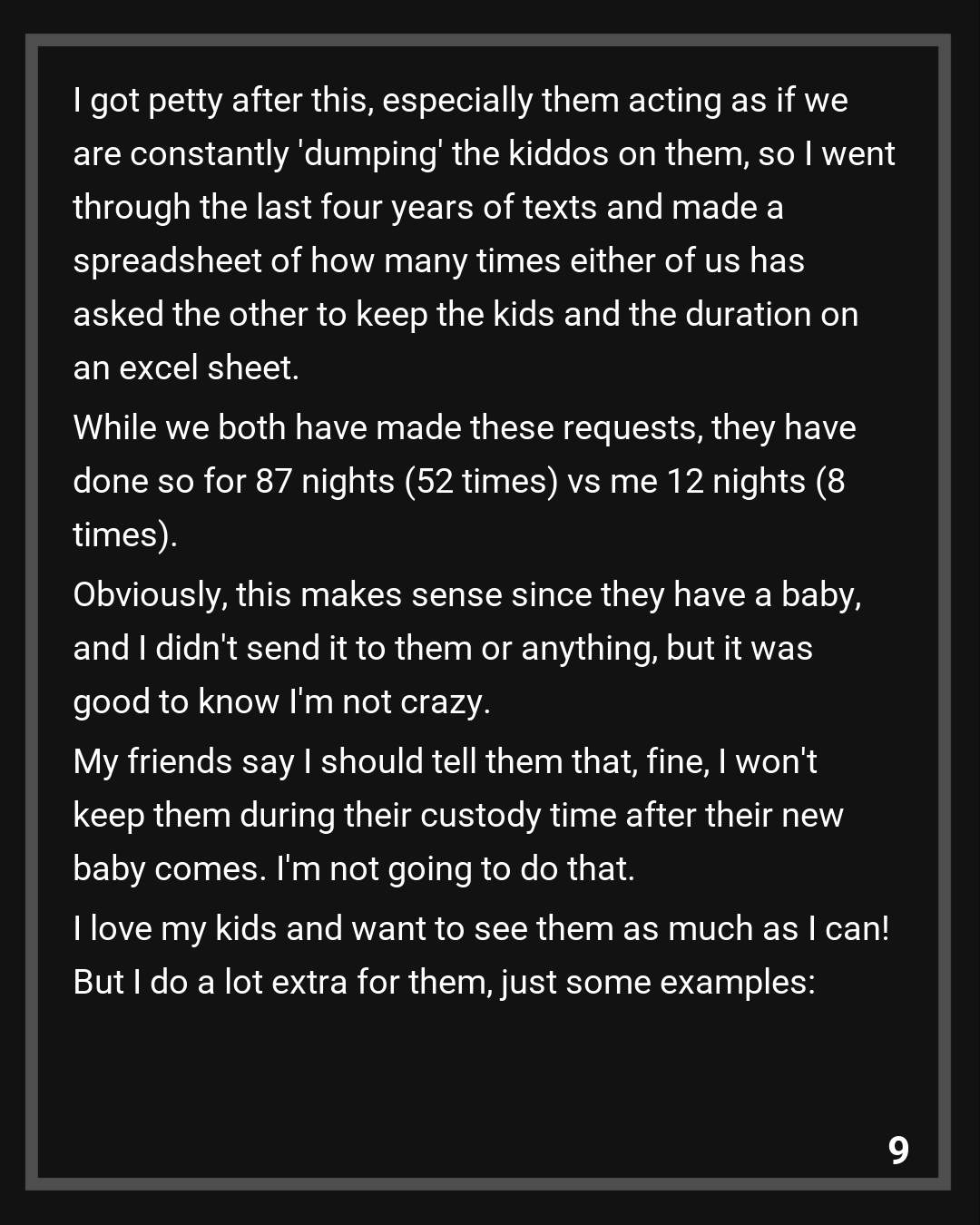
A Reddit coparenting favor spreadsheet tallied eighty-seven nights given against twelve received, and the woman who built it had never once thought to call the difference a problem. She needed the numbers only after her ex-husband and his wife sent a furious email accusing her of being a bad mother for requesting one extra week of childcare during her honeymoon. The spreadsheet was not ammunition. It was a private diagnostic, assembled by a woman who had absorbed so much of another household’s daily logistics that she required hard data to confirm her own experience was real.
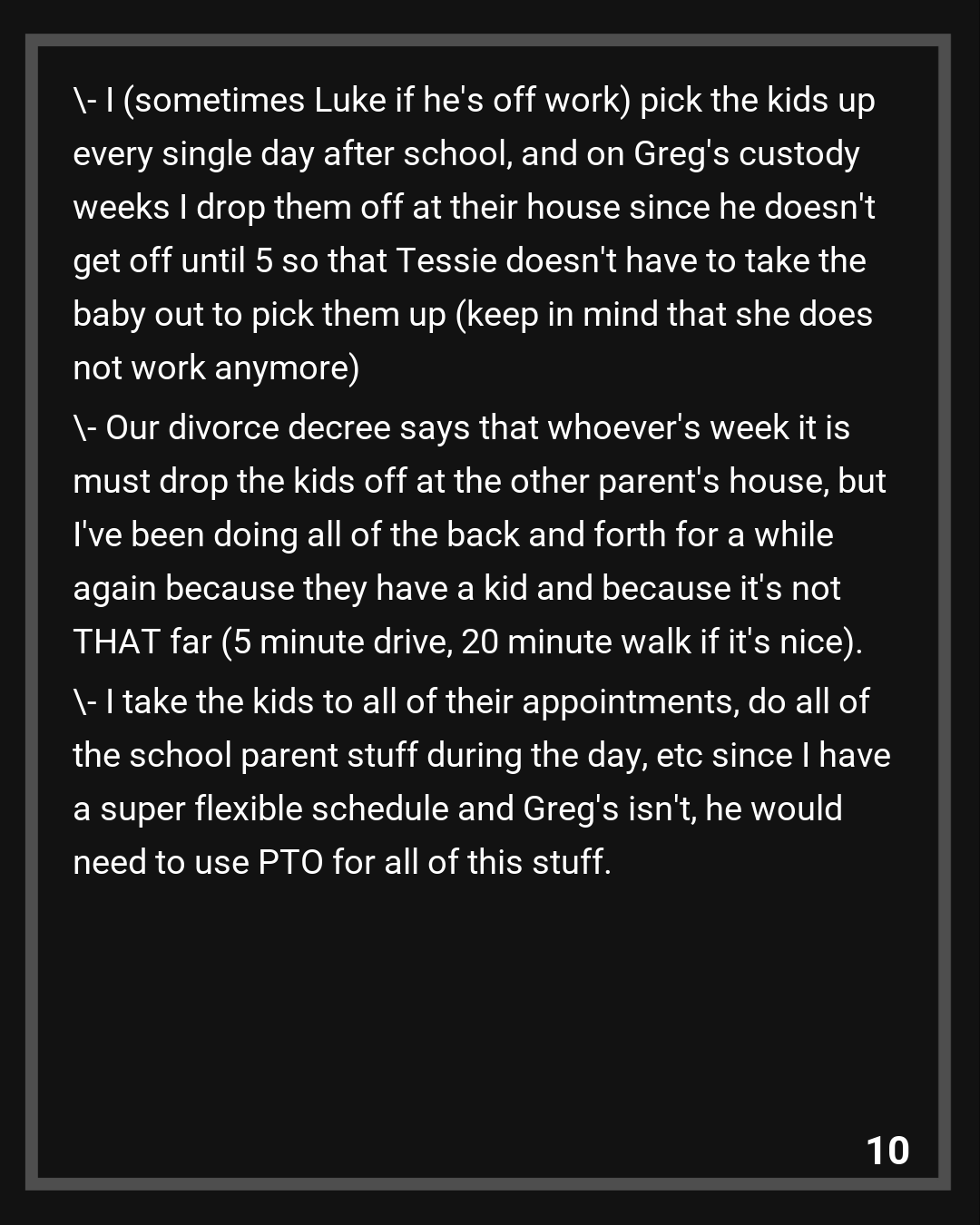
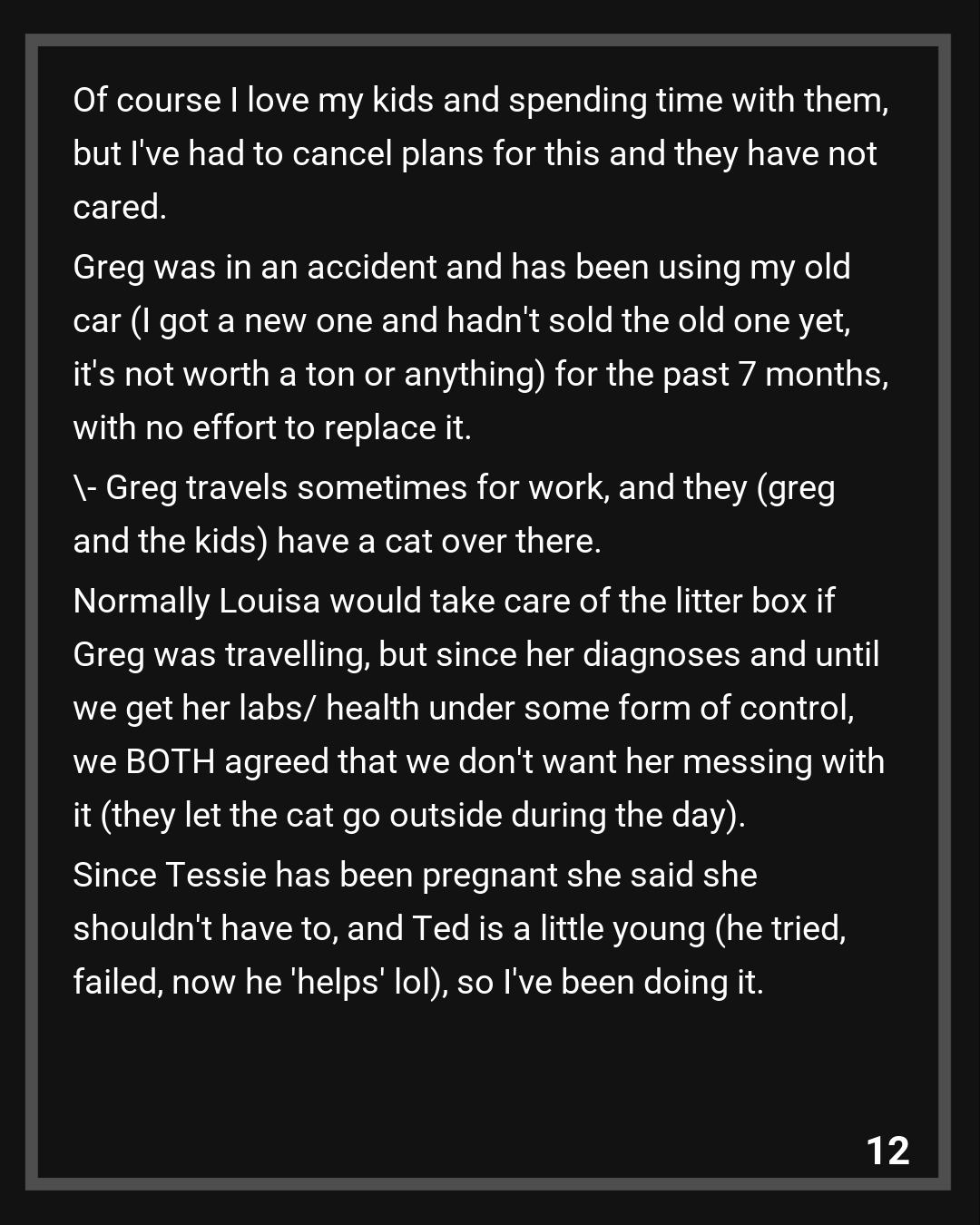
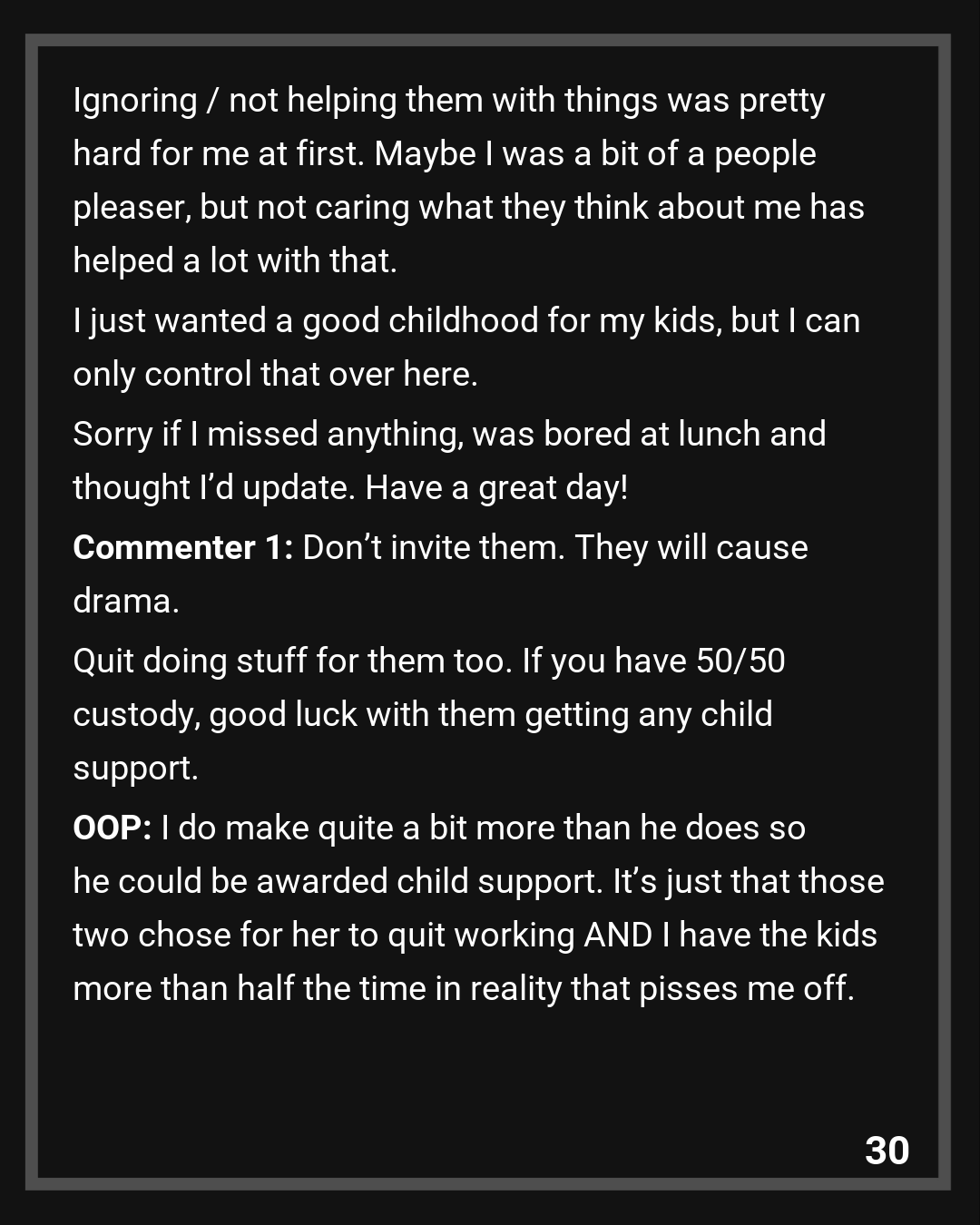
School pickups, medical copays for a daughter’s Type 1 diabetes, emergency retrievals during a toddler’s meltdowns, a loaned car never returned, a cat’s litter box in a house she no longer lived in: every task had been folded into her routine so quietly that the recipients stopped registering them as favors and started treating them as furniture. When the single request came, the arrangement showed its true proportions. Gratitude had been the only currency flowing back, and even that account was now overdrawn.
Before the Spreadsheet
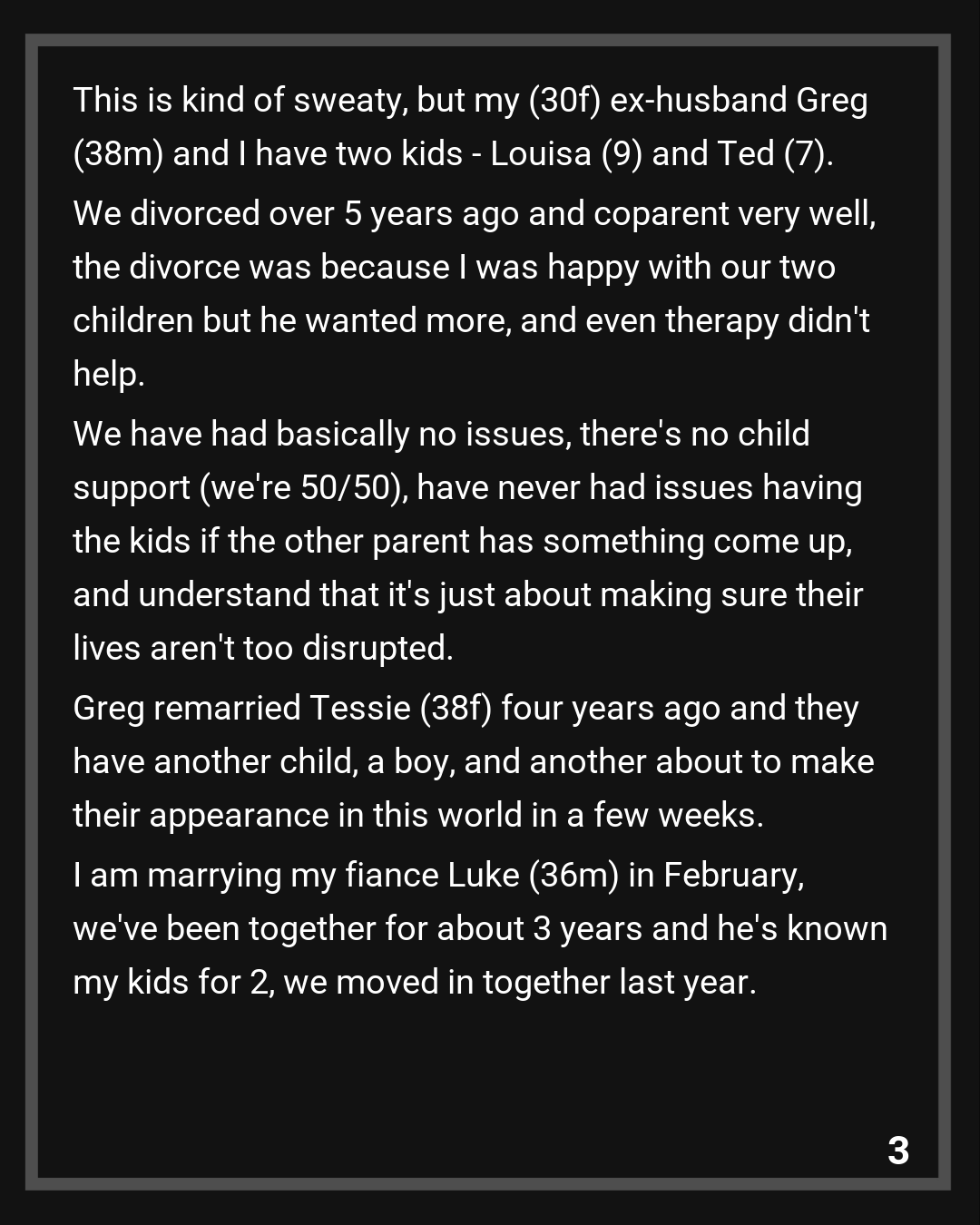
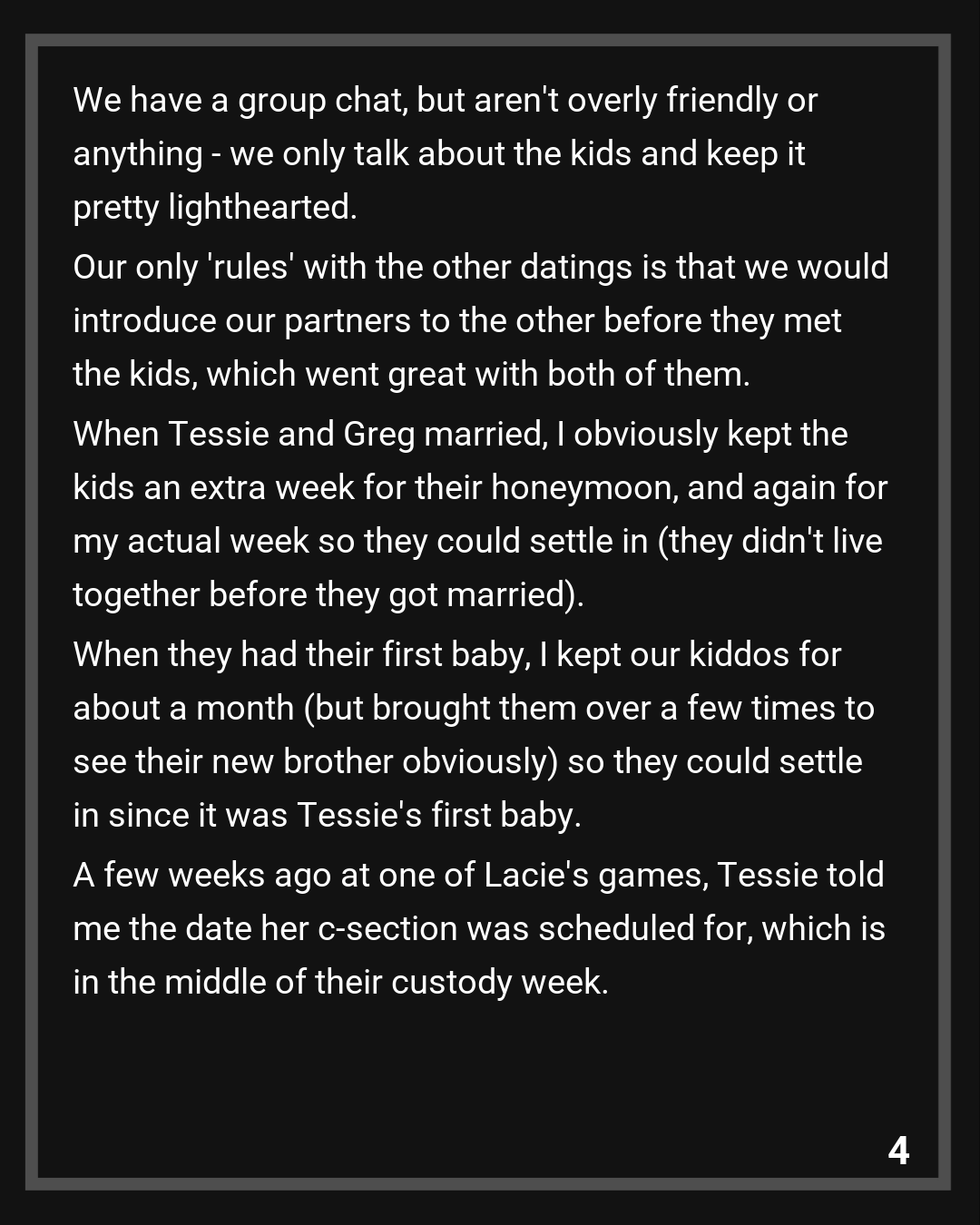
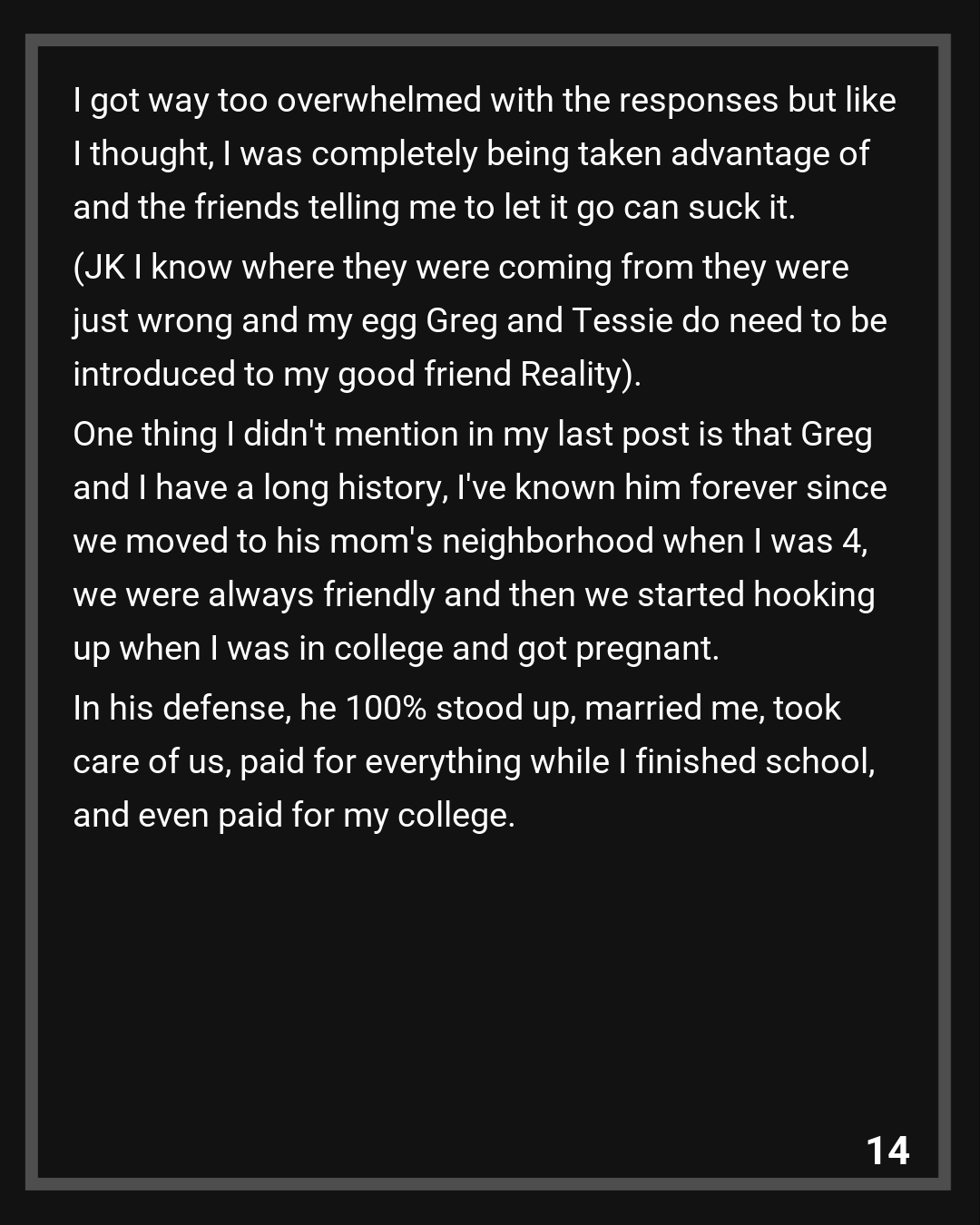
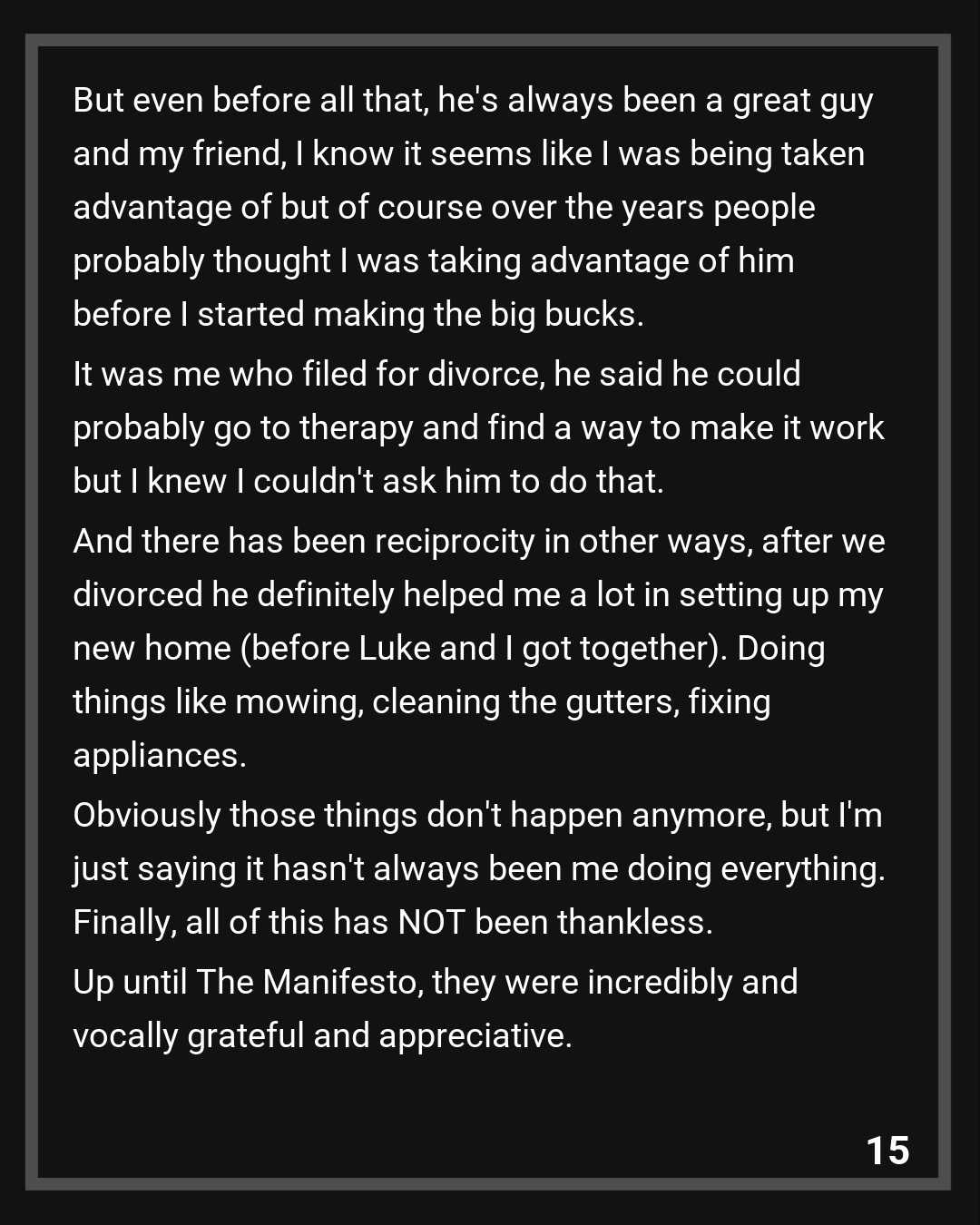
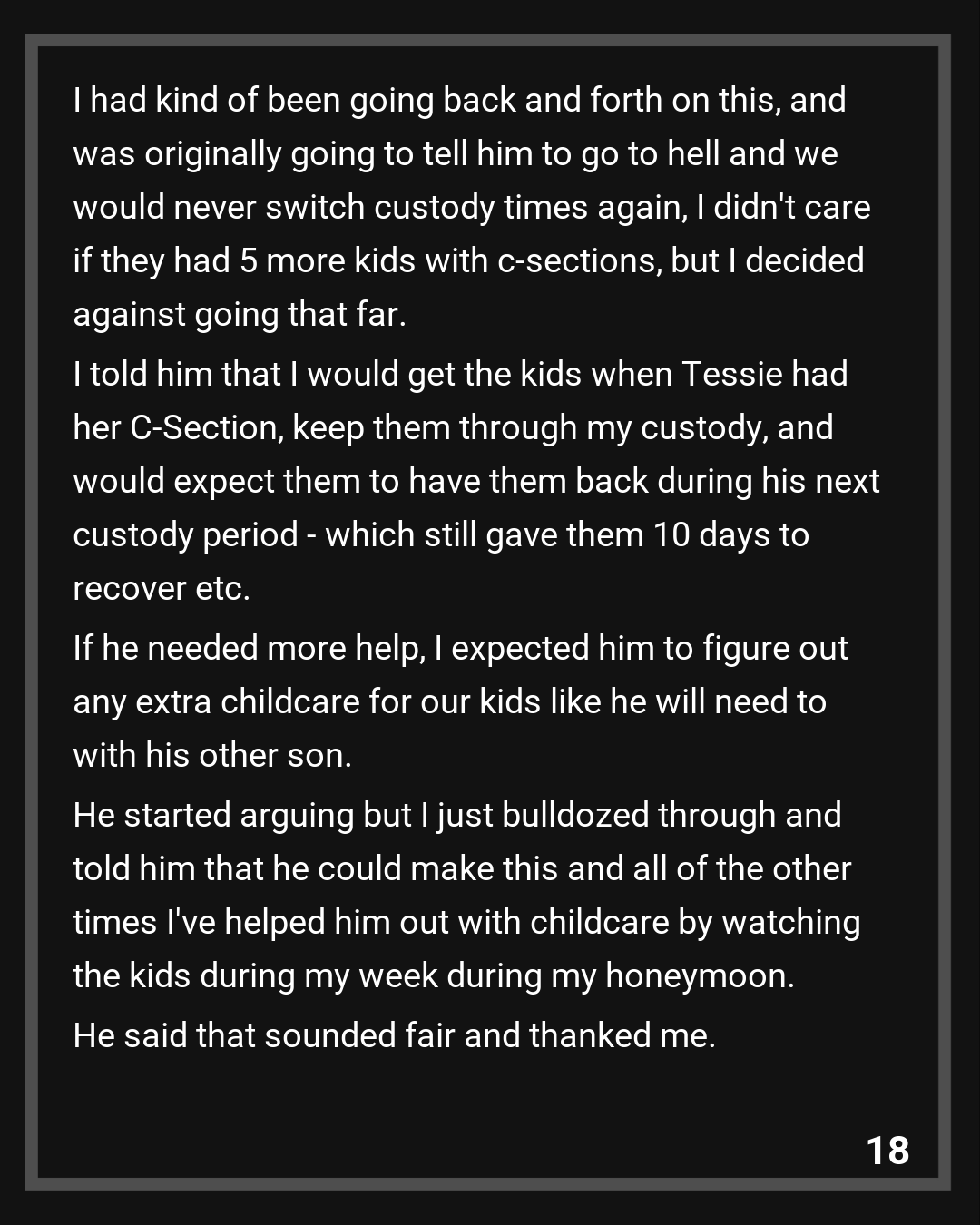
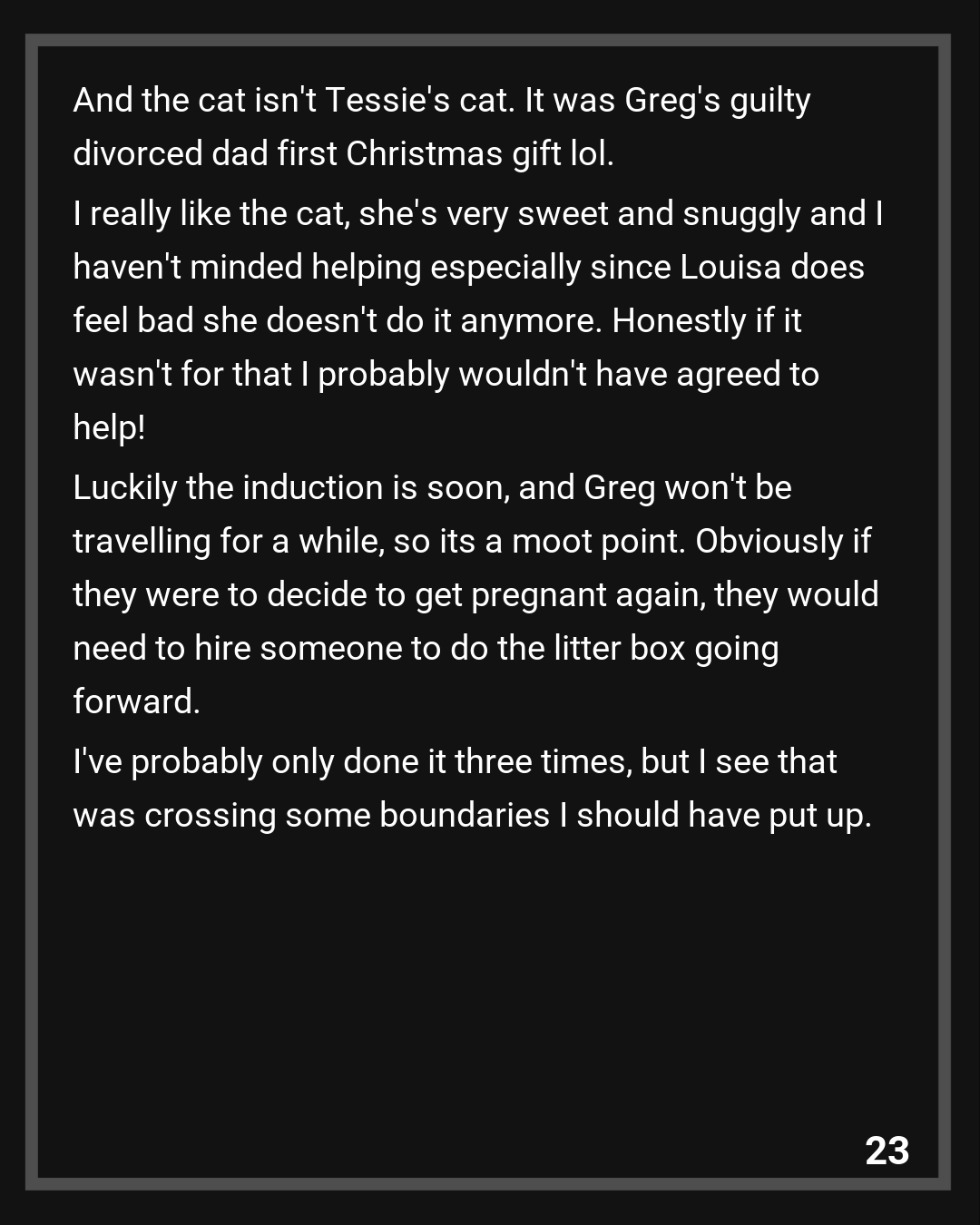
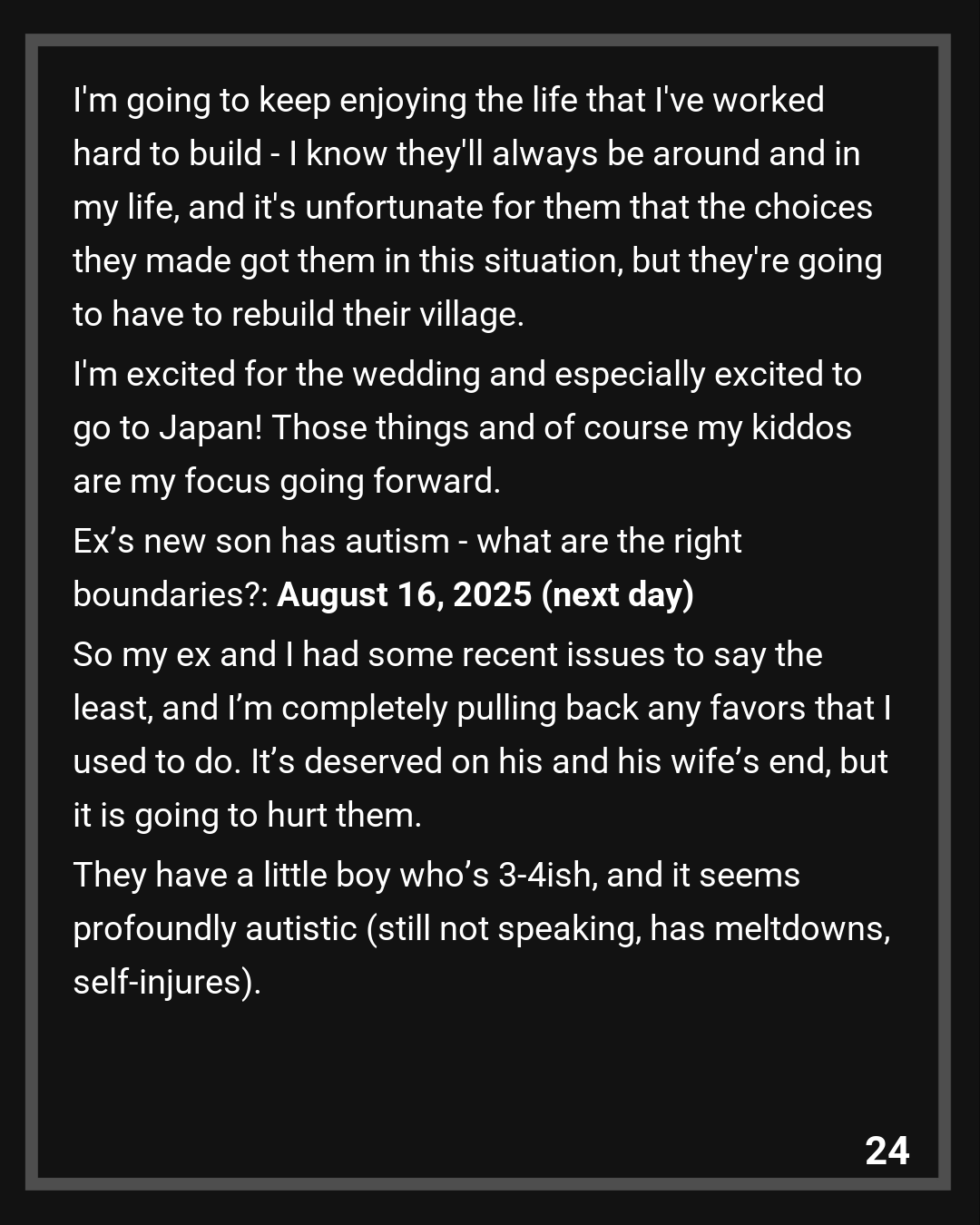
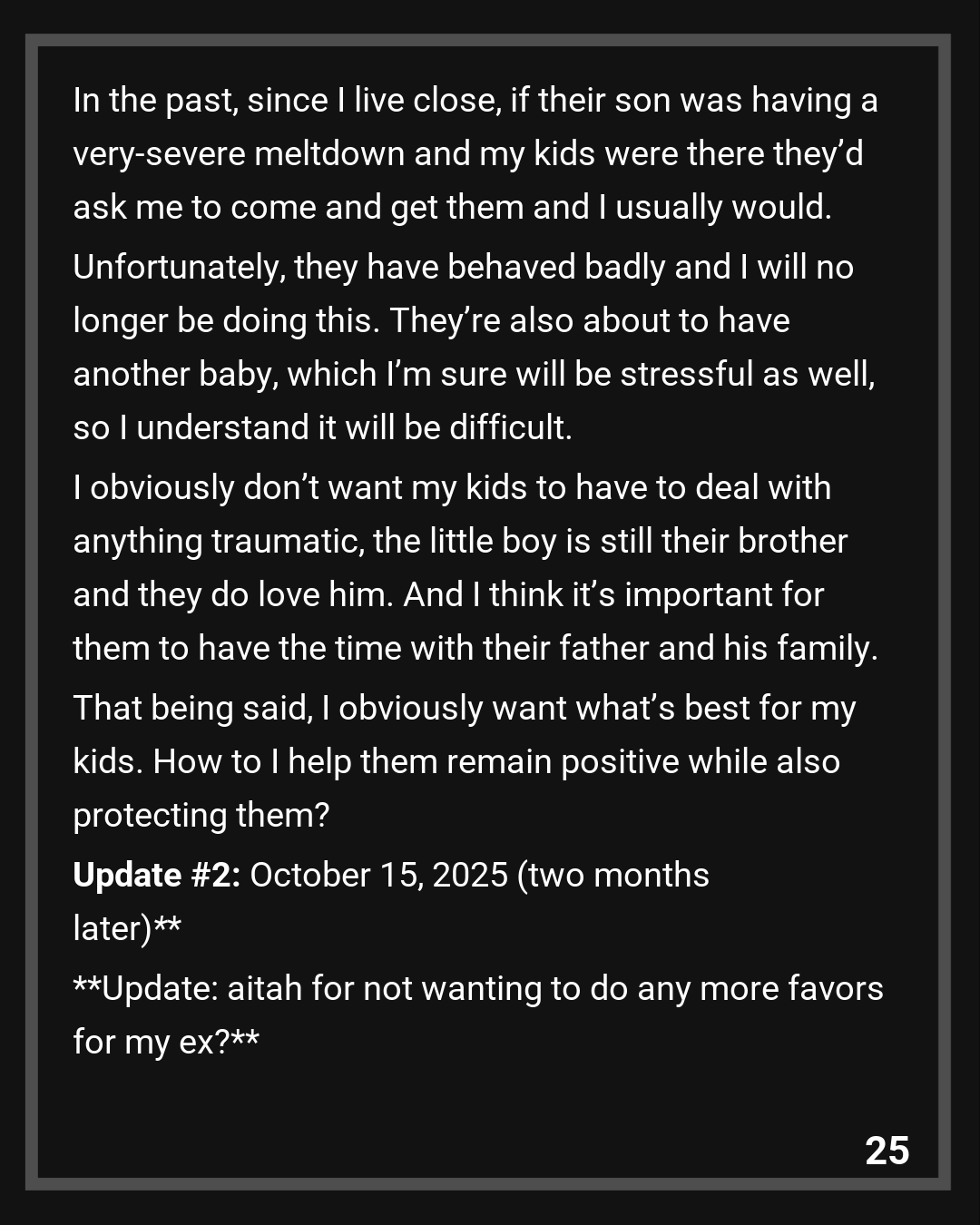
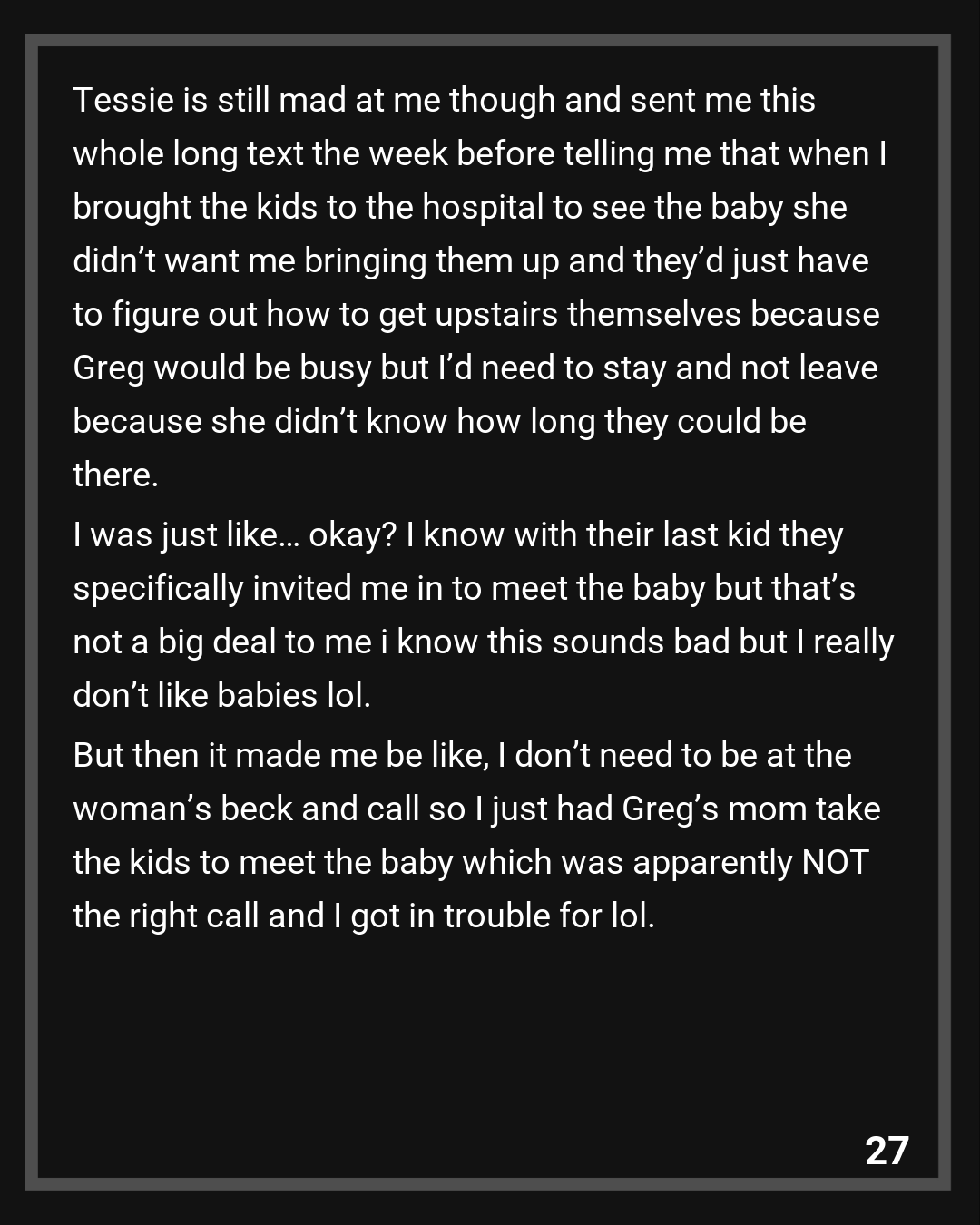
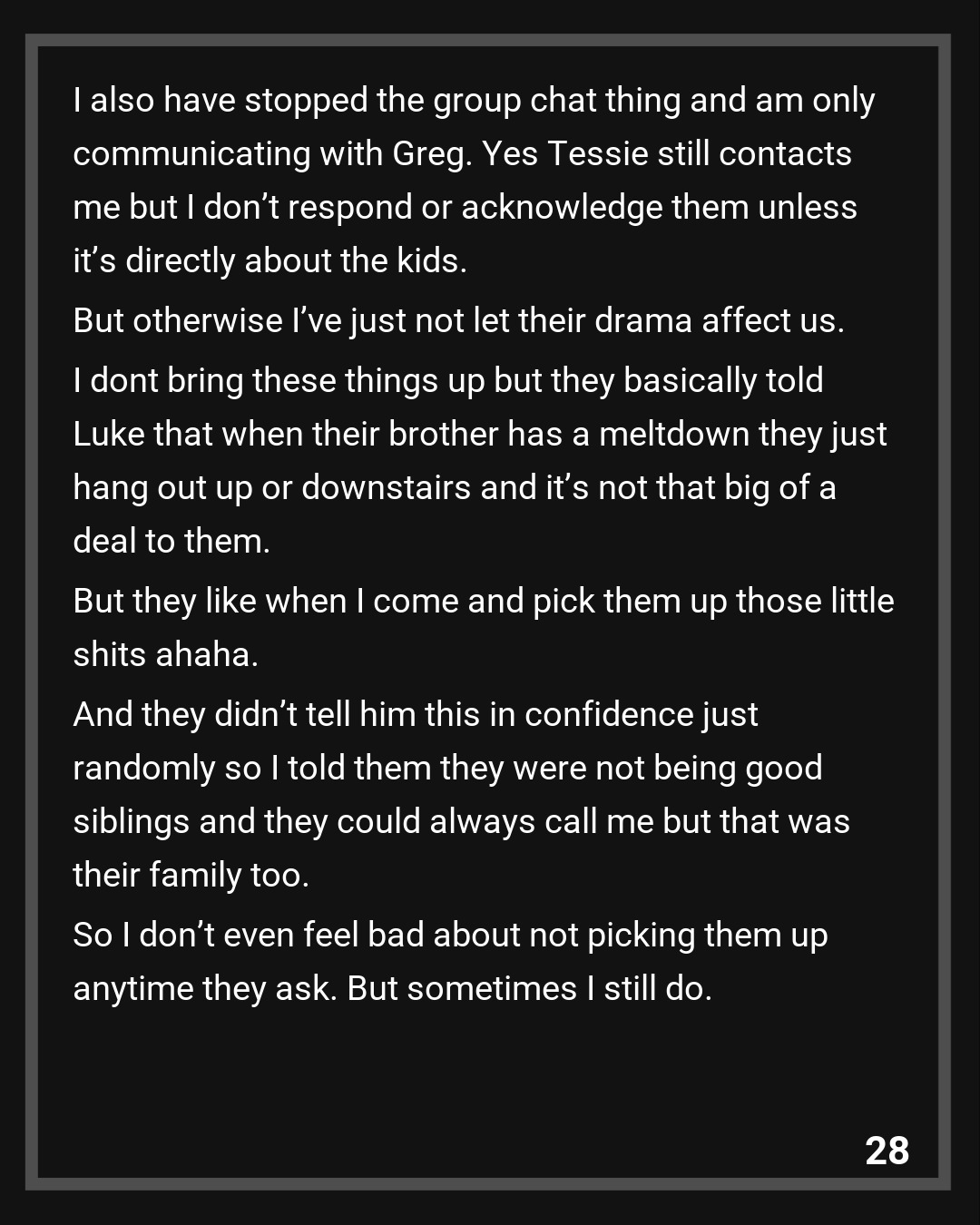
For five years, this coparenting arrangement looked like a success story from the outside. Polite group chats and flexible custody swaps existed without a single support dispute. The architecture appeared balanced because one person was quietly performing all the structural maintenance. OOP picked up both children daily from school and delivered them to her ex’s doorstep so his wife wouldn’t need to load a baby into a car seat. She attended every medical appointment and absorbed escalating copays as her daughter’s diabetes care grew more expensive. Emergency calls to collect the kids during her ex’s younger son’s meltdowns became routine interruptions to her own plans. A car sat on loan for seven months with no timeline for return. Greg and Tessie expressed gratitude regularly, and that gratitude made the imbalance feel like partnership rather than extraction.
The Rupture
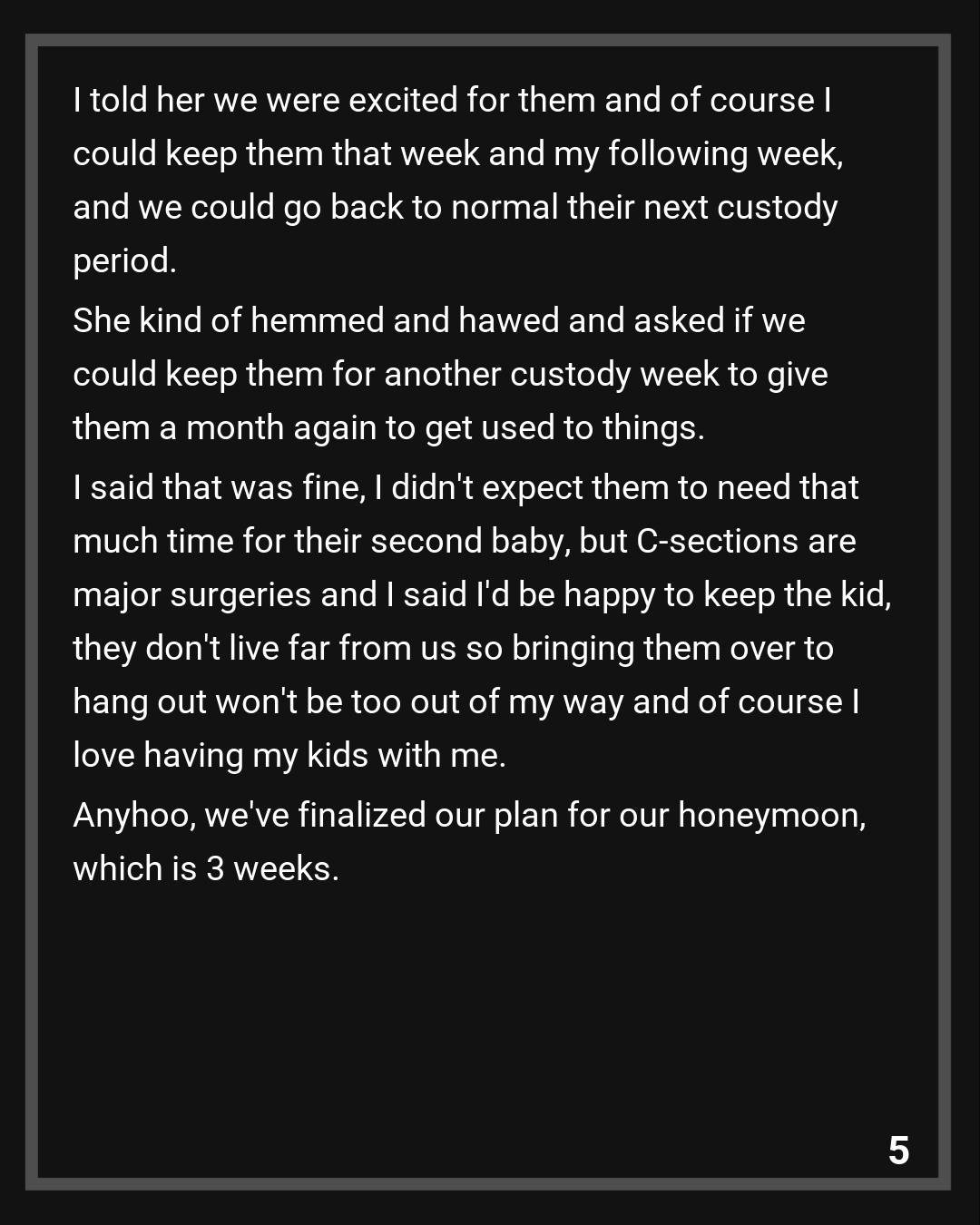
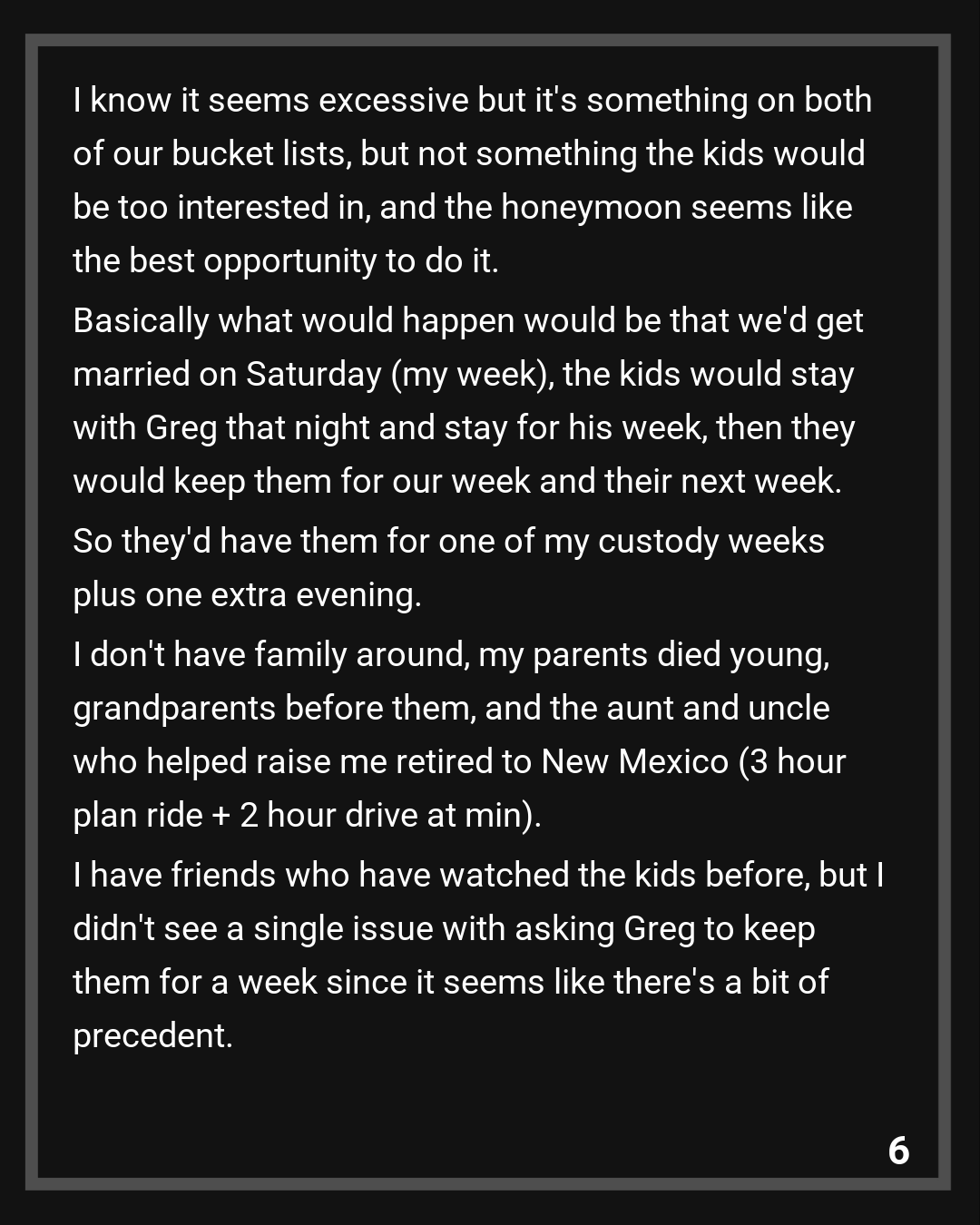
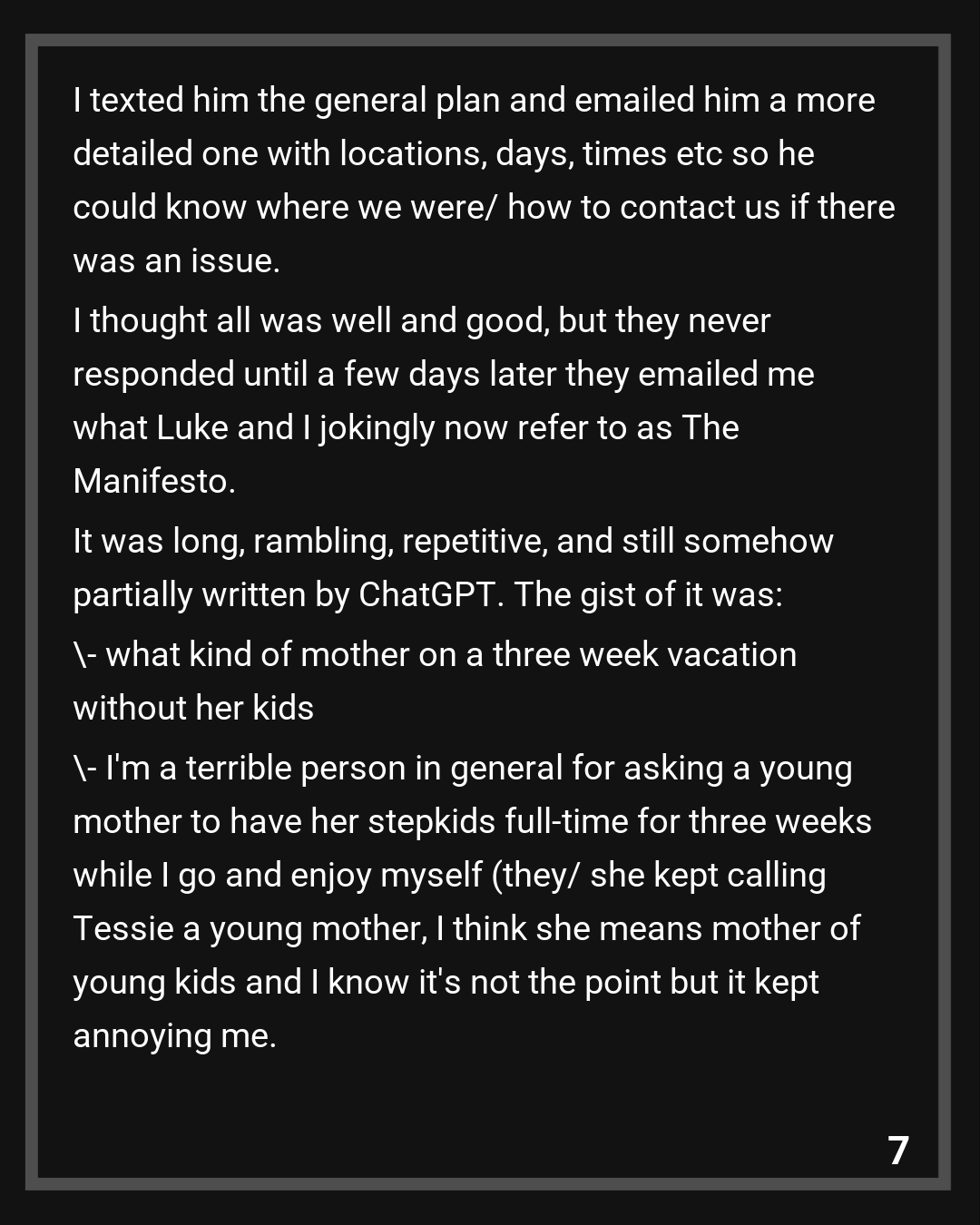
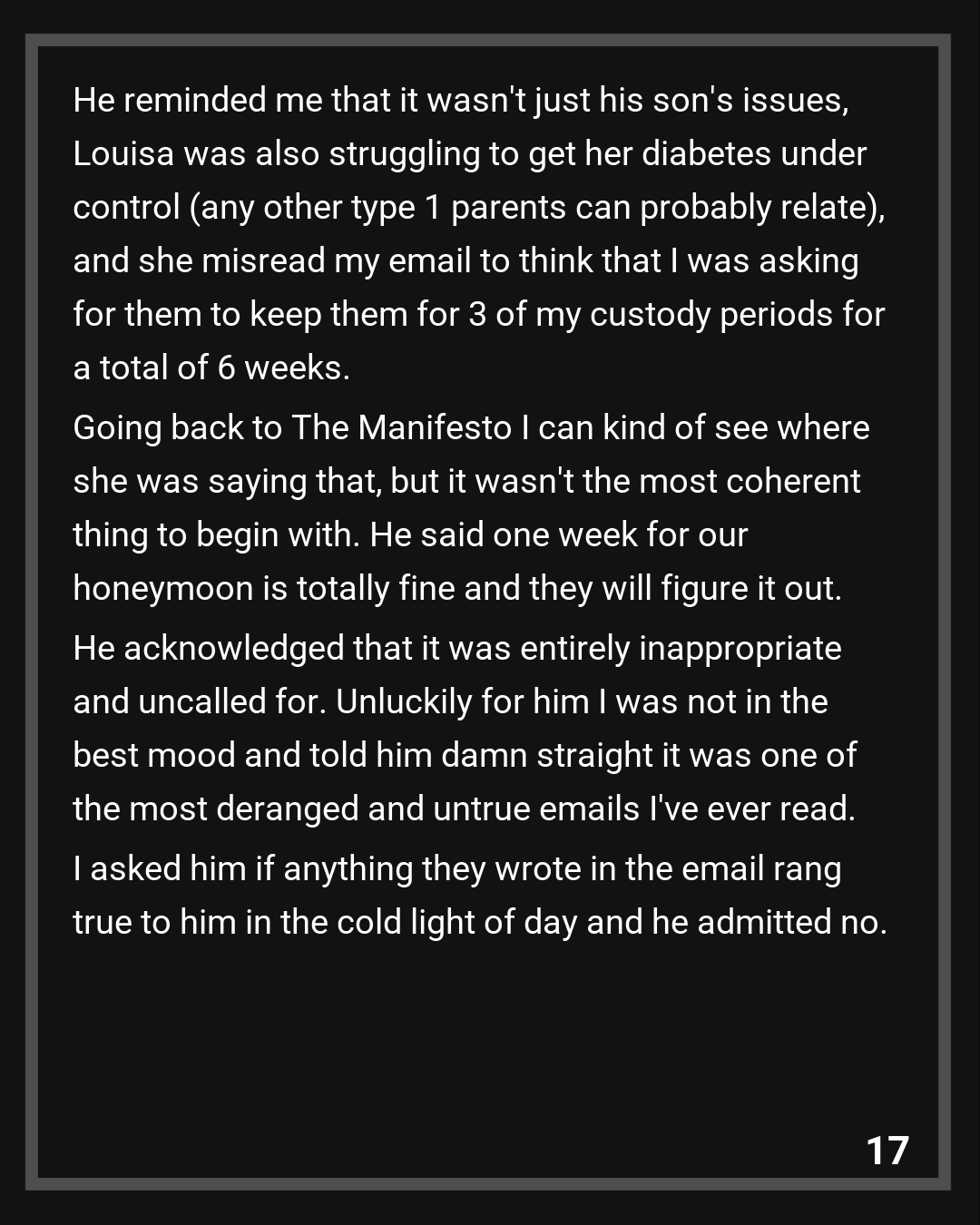
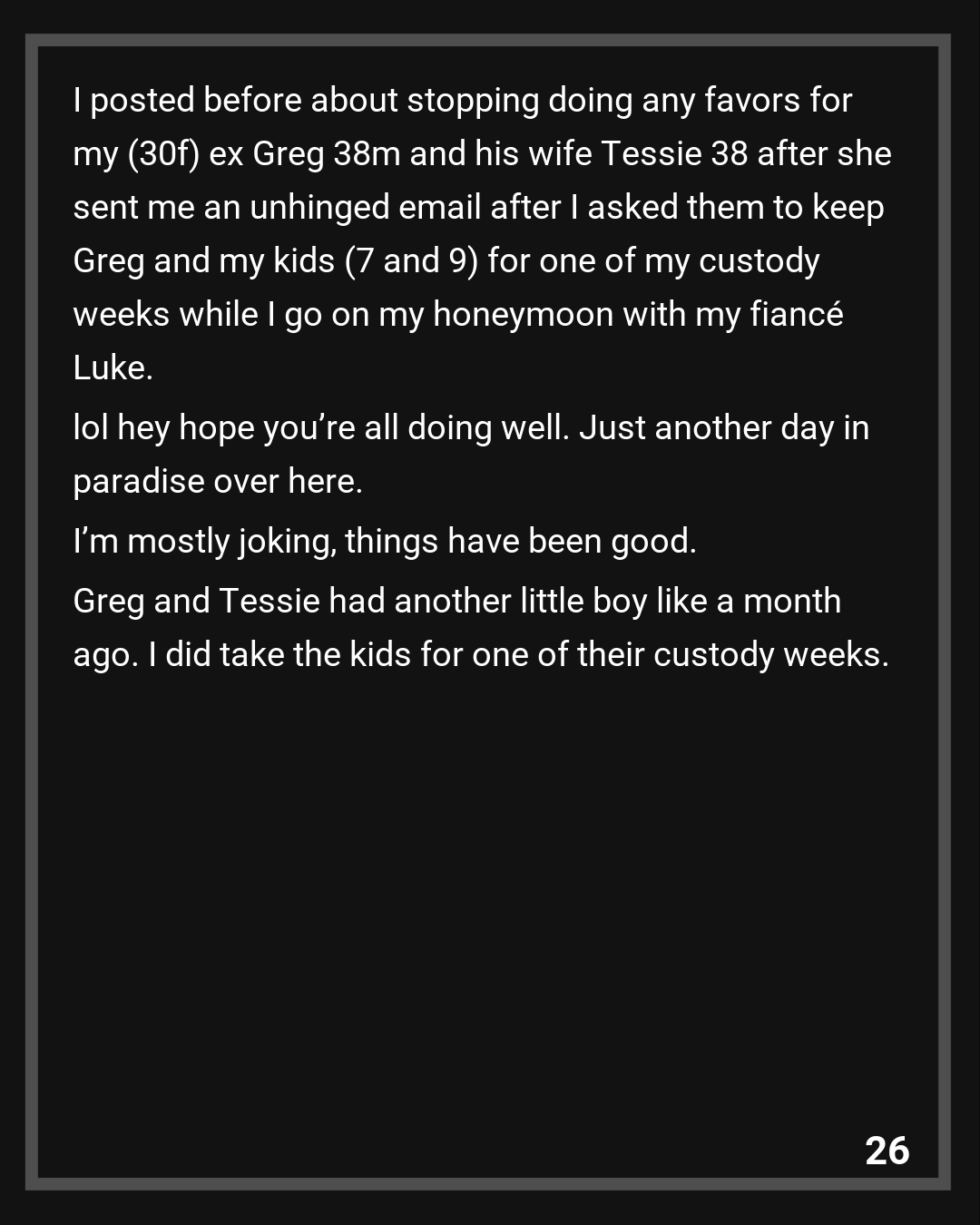
One honeymoon request broke the surface. OOP asked Greg to keep their children for a single extra custody week, against a record of having provided a full month of additional childcare twice before. What returned was a multi-page email, partially generated by ChatGPT, accusing her of abandoning her children and dumping them on a “young mother.” That word did the sharpest damage: “dumping.” It reclassified every voluntary sacrifice as an expected deposit, then treated the single withdrawal as theft. The Reddit coparenting favor spreadsheet OOP built afterward was less an act of aggression than a diagnostic scan, confirming that the imbalance she sensed had been running a deficit for years.
The Contraction
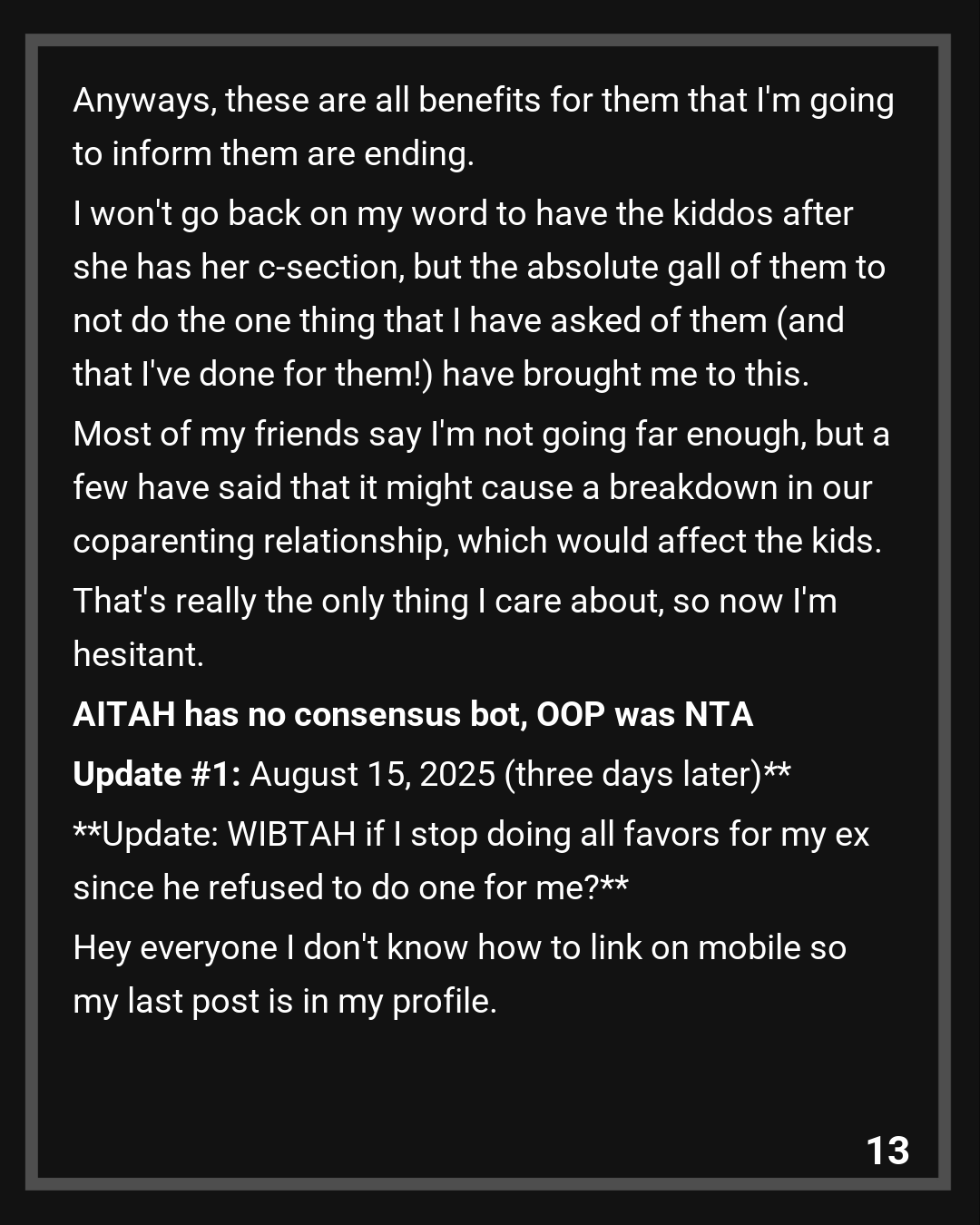
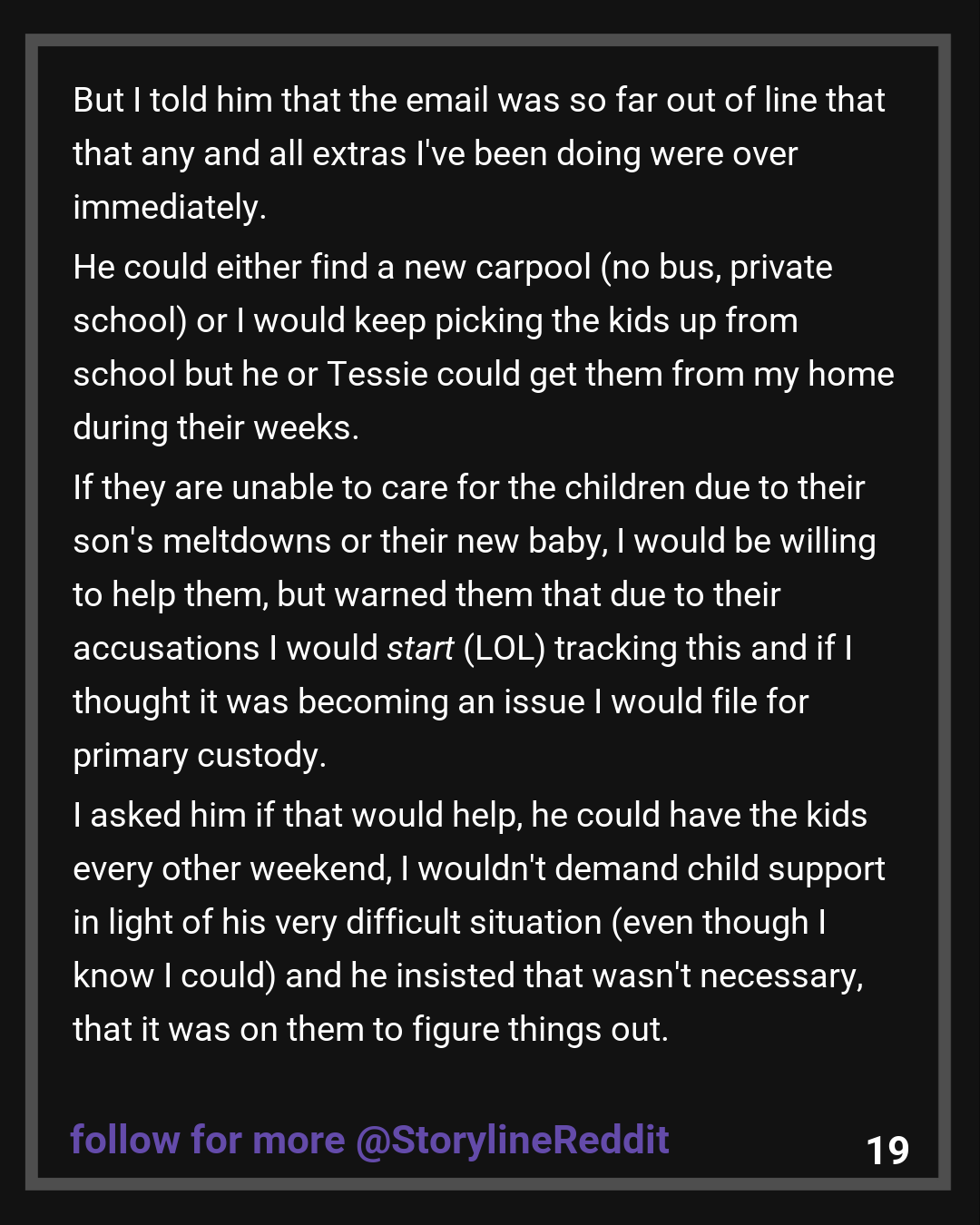
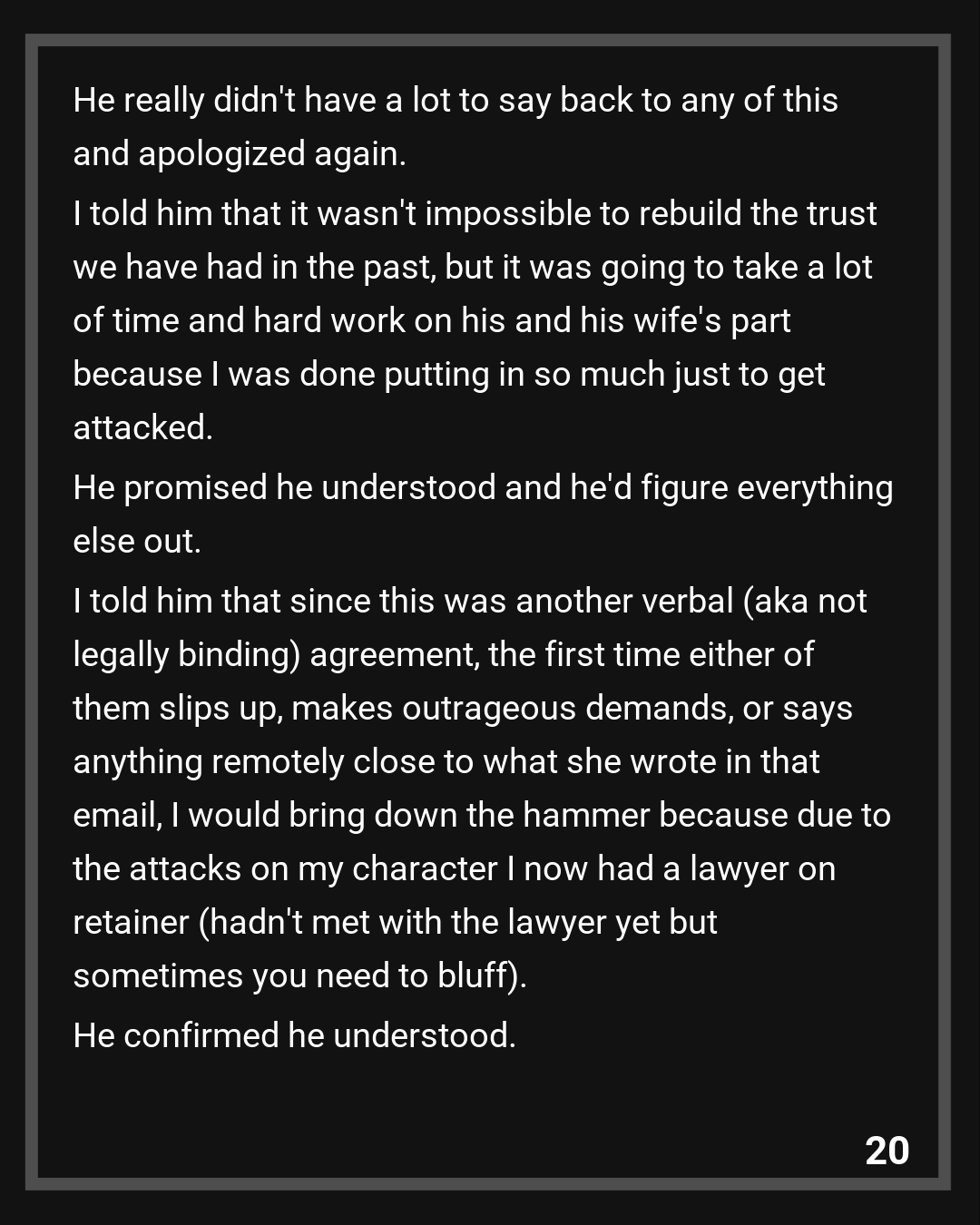
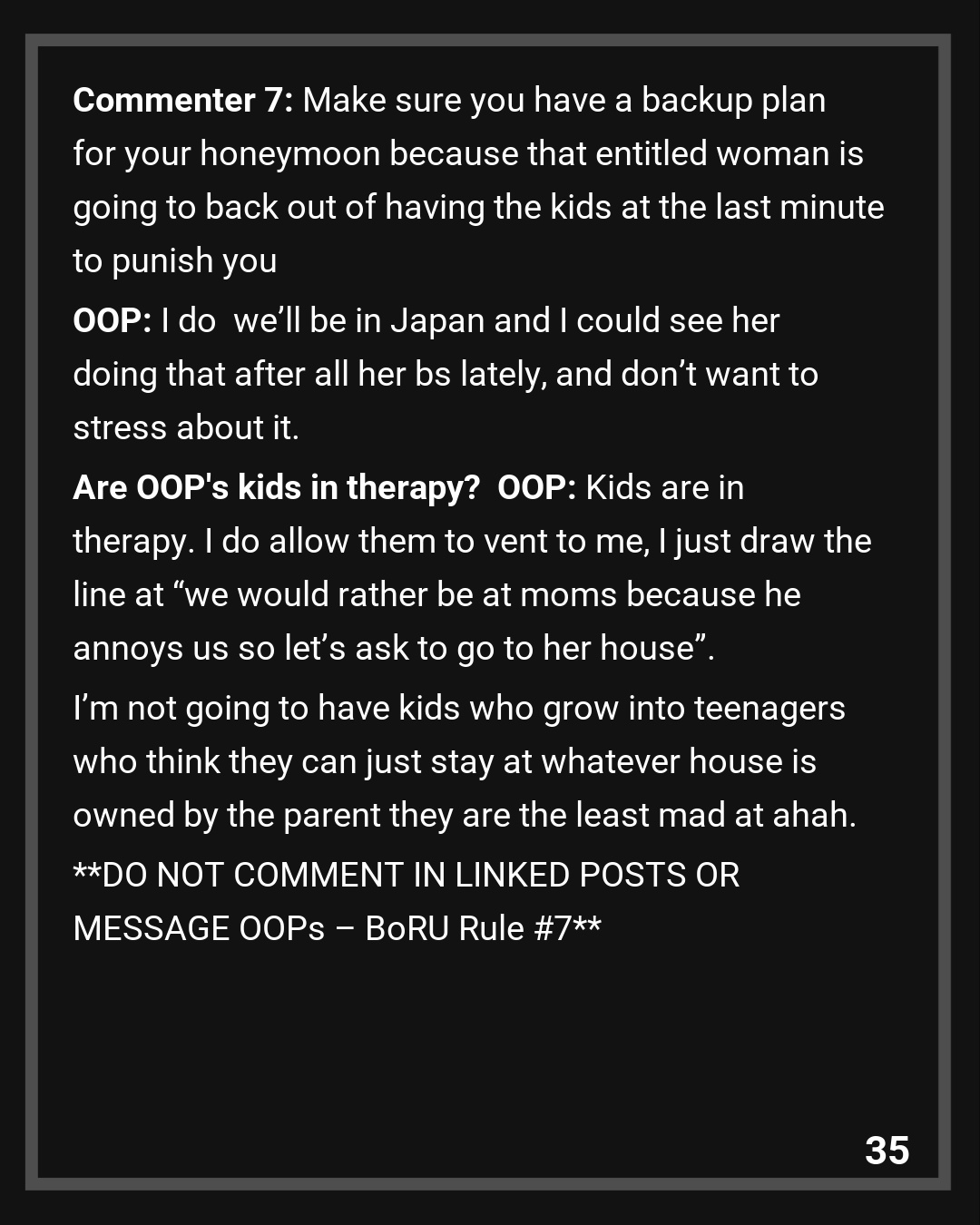
Her response was methodical, not explosive. She honored her existing commitment for the upcoming birth but shortened the recovery coverage she would provide. She converted the honeymoon childcare into a direct exchange rather than an open-ended gift. Then she dismantled every informal accommodation: pickups, medical costs, emergency retrievals, the car. The coparenting relationship did not collapse. It contracted to its legal skeleton, which turned out to be far smaller than the life Greg and Tessie had constructed around OOP’s unpaid labor.





The Ledger Nobody Asked Her to Open
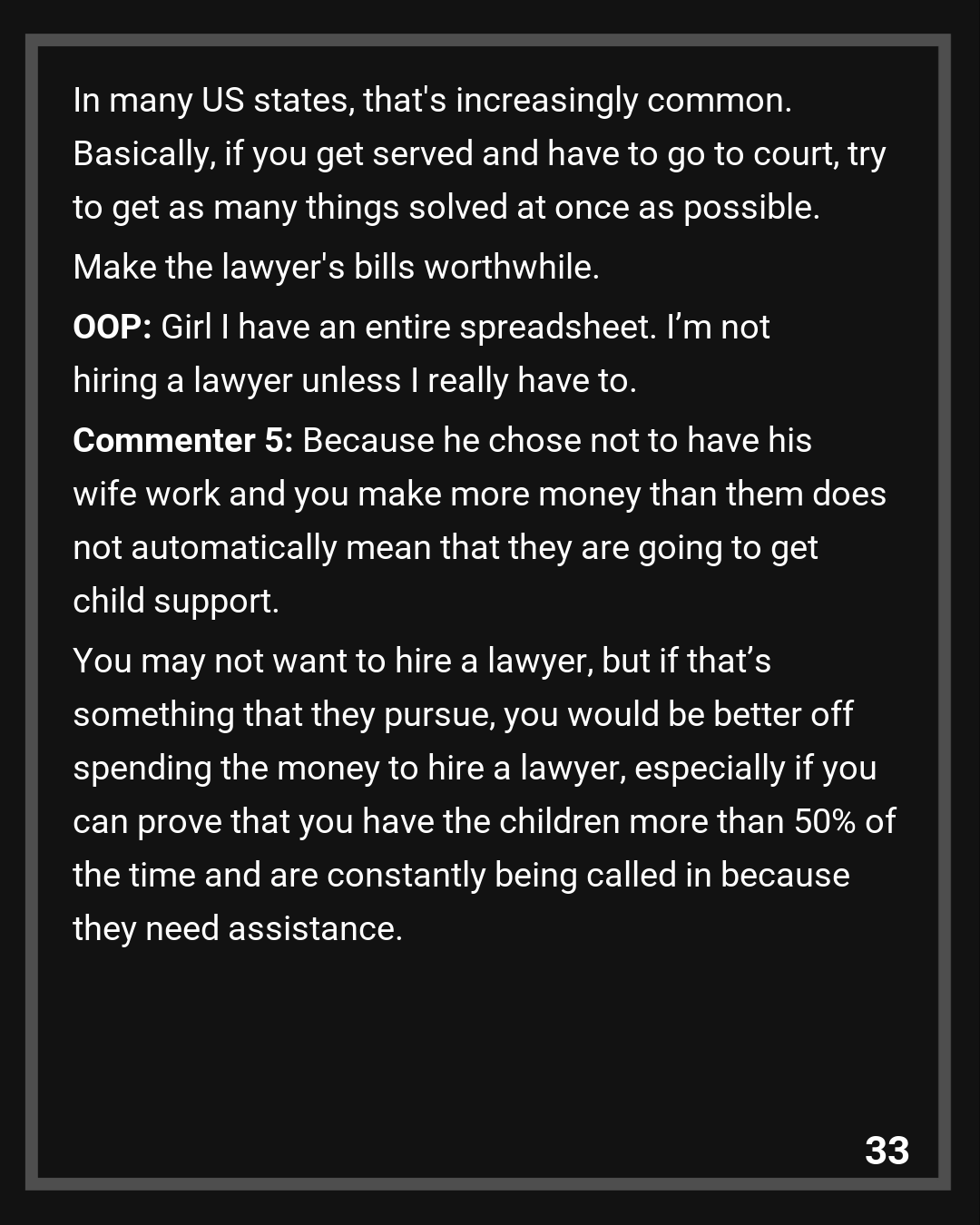
OOP built her Reddit coparenting favor spreadsheet after the Manifesto, not before it. That sequence tells the whole story of how the imbalance survived as long as it did. For years, she absorbed eighty-seven nights of extra custody without experiencing them as a pattern. Each individual favor had its own reasonable justification: Tessie was pregnant, their son was melting down, Greg’s car was wrecked, the cat needed tending. Isolated, none of these requests seemed exploitative. Stacked in a column, they formed a ledger that had been running for four years without anyone bothering to read it.
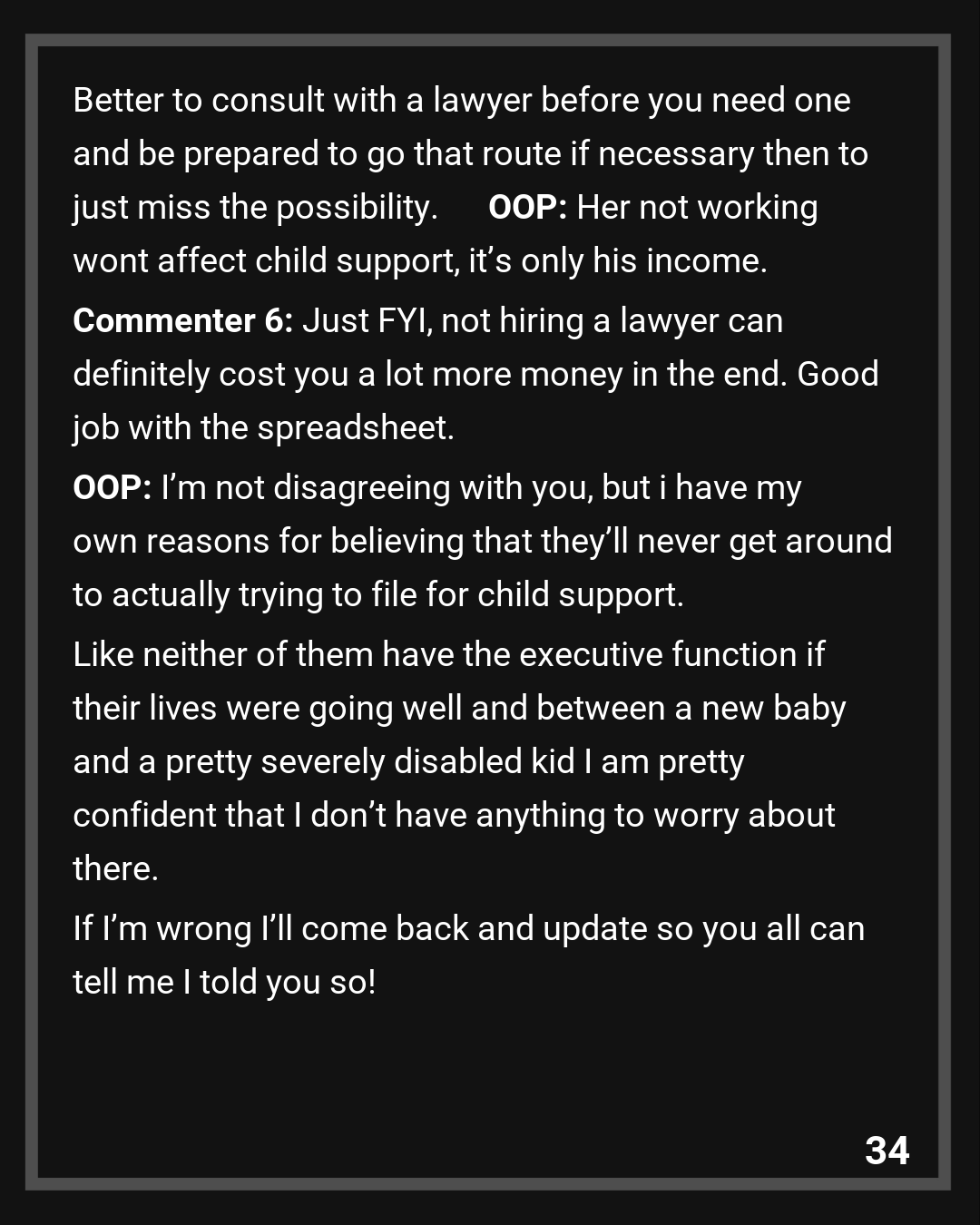
The spreadsheet was not a weapon. OOP never sent it. She built it the way someone checks a bank statement after a suspicious charge, not to litigate but to confirm a feeling she didn’t fully trust. A woman who had silently financed another household’s logistics needed a pivot table before she could believe her own exhaustion. That gap between experience and self-permission is the most revealing detail in the entire post. She had the data in her body for years. She needed it in Excel before it counted.
What “Dumping” Confessed
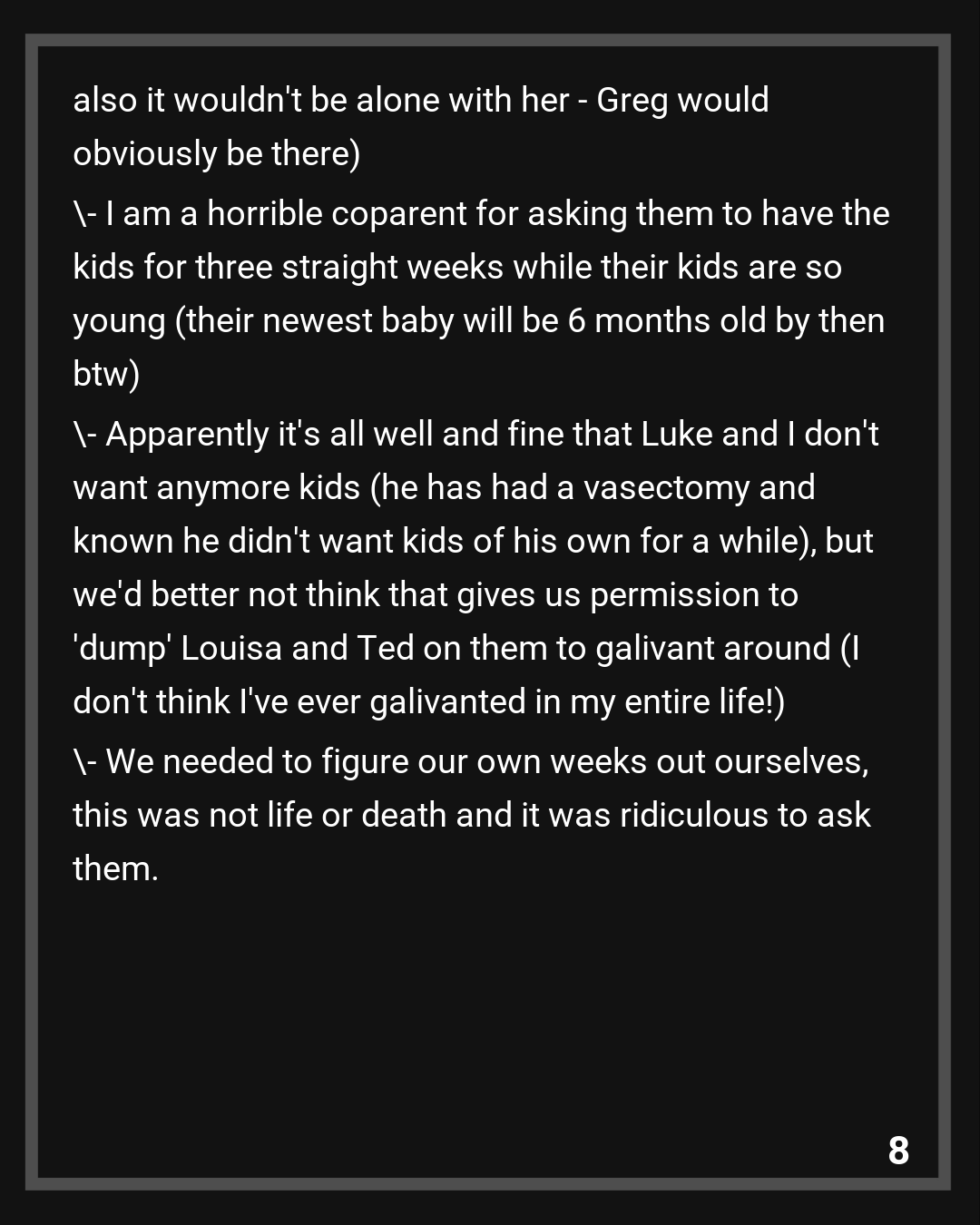
The Manifesto’s most diagnostic word was not “terrible” or “horrible,” though both appeared. It was “dumping.” Greg and Tessie accused OOP of planning to dump Louisa and Ted on them for three weeks. The verb choice performed an involuntary confession: it recast OOP’s children as a burden being offloaded rather than family members returning to their father’s home. A man cannot be dumped with his own children. He can be parenting them.
That single word retroactively reframed every favor OOP had ever performed. If keeping the kids during a meltdown was saving Greg from being dumped on, then OOP’s years of emergency pickups were not generosity but garbage collection. Tessie’s email, partially ghostwritten by ChatGPT and partially powered by resentment, did what years of polite coparenting never could. It showed OOP the internal math her ex’s household had been running all along: her children were welcome as guests, tolerated as obligations, and resented as impositions the moment the schedule deviated from their comfort.
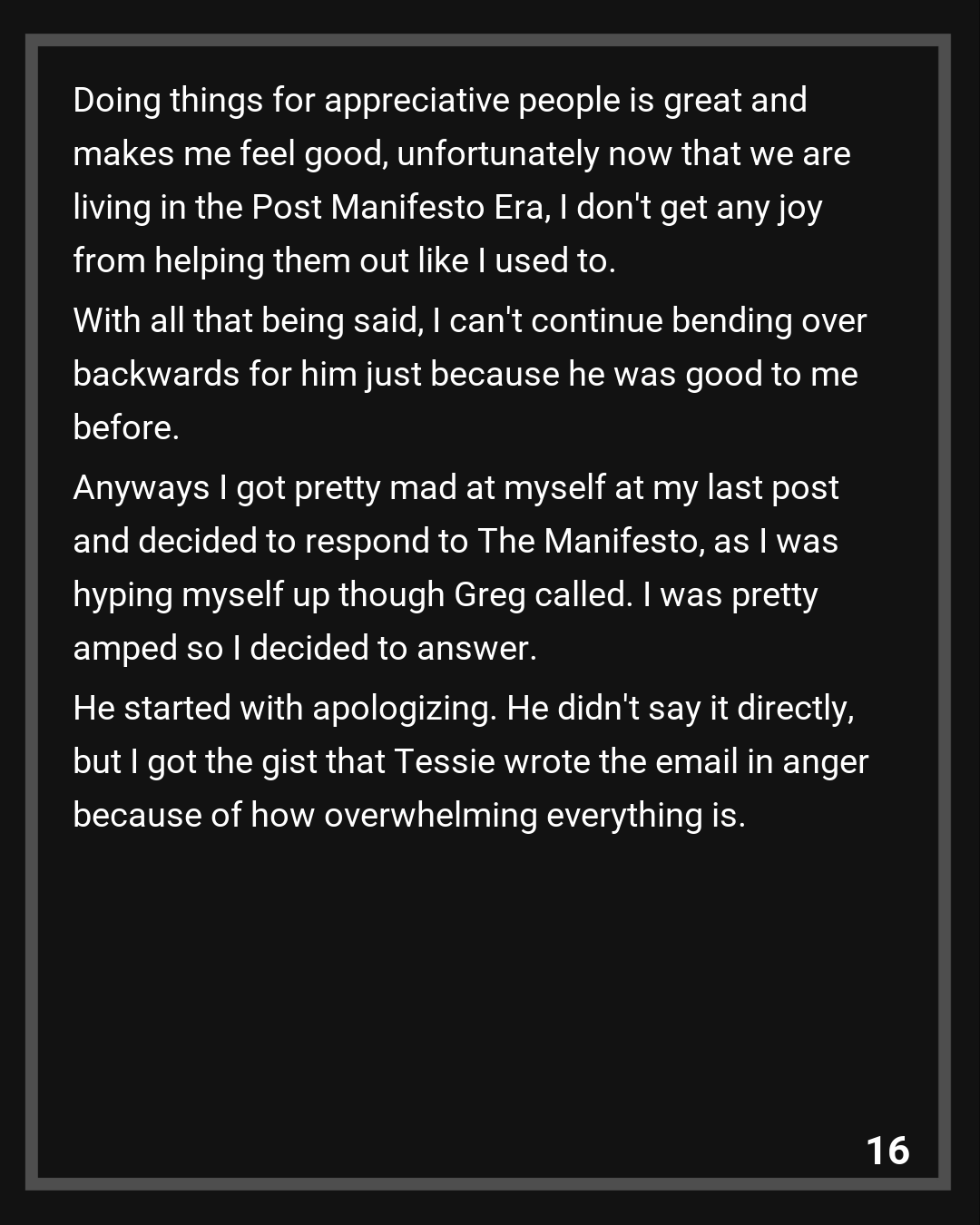
Greg’s phone call a few days later confirmed the architecture. He apologized, acknowledged nothing in the email was true, and attributed it to Tessie’s overwhelm. He did not dispute the content so much as disown it, which left the underlying attitude untouched. An apology that blames stress without examining the belief system that produced the outburst is a weather report, not a correction.
The Infrastructure Beneath the Friendship
Consider what OOP’s withdrawal actually removed from Greg’s daily life. She had been picking up both children from school every day and delivering them to his door. She covered all medical copays, including escalating costs for their daughter’s diabetes management. She drove both directions for custody handoffs despite the decree assigning that responsibility to the receiving parent. She loaned a car for seven months. She cleaned a litter box in a house where she no longer lived.
None of these tasks were dramatic. Each was small enough to dismiss as a minor convenience. Together, they constituted an invisible support system so embedded in Greg and Tessie’s household operations that its removal would force them to reorganize their entire week. OOP was not a coparent in this arrangement. She was functioning as unpaid staff for a family that had grown to depend on her labor while simultaneously resenting the implication that they needed it. Her pullback did not punish them. It simply stopped performing a job no one had acknowledged existed.
The Coparenting Favor Spreadsheet and Its Limits
OOP’s response was precise, documented, and fair. She honored existing commitments, converted future favors into reciprocal exchanges, and established clear consequences for violations. By every reasonable measure, she made the correct call. But correct calls can still carry costs that fall on the wrong people.
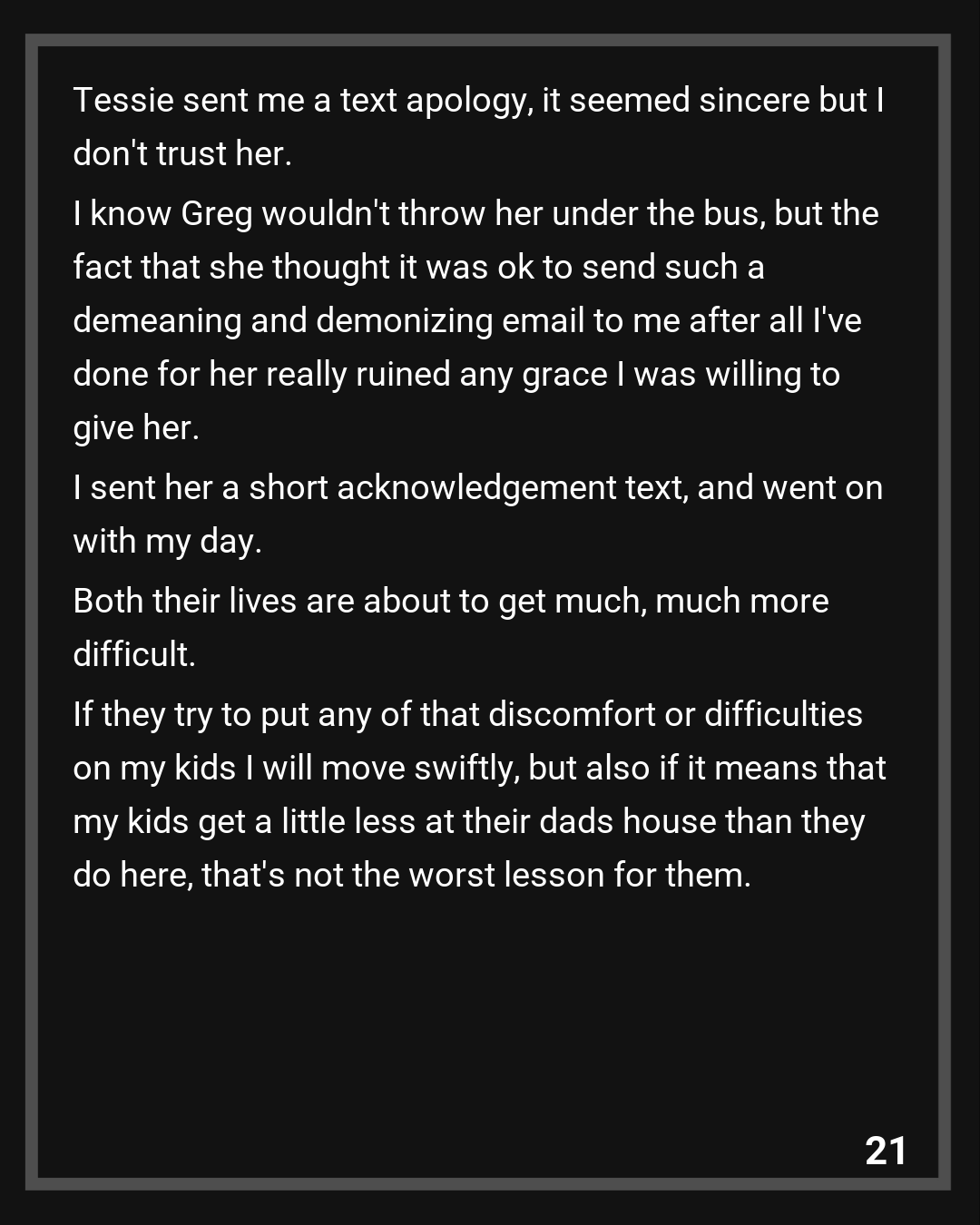
Her nine-year-old daughter and seven-year-old son now live inside a coparenting arrangement stripped to its legal minimum. Louisa and Ted will experience the difference between a household that ran on their mother’s invisible labor and one that runs on contractual obligation. Greg’s son’s meltdowns will continue, and OOP’s children will remain present for them without the escape valve of a mother who drops everything to collect them. The rigidity OOP installed is justified by every data point on her spreadsheet. Yet spreadsheets cannot measure what a child absorbs when the adults around them shift from cooperation to compliance.
OOP closed her update by announcing she was excited for Japan, excited for her wedding, and focused on her kids. Somewhere in Greg’s house, a litter box is waiting for someone new to clean it.
How the Village Burned Itself Down
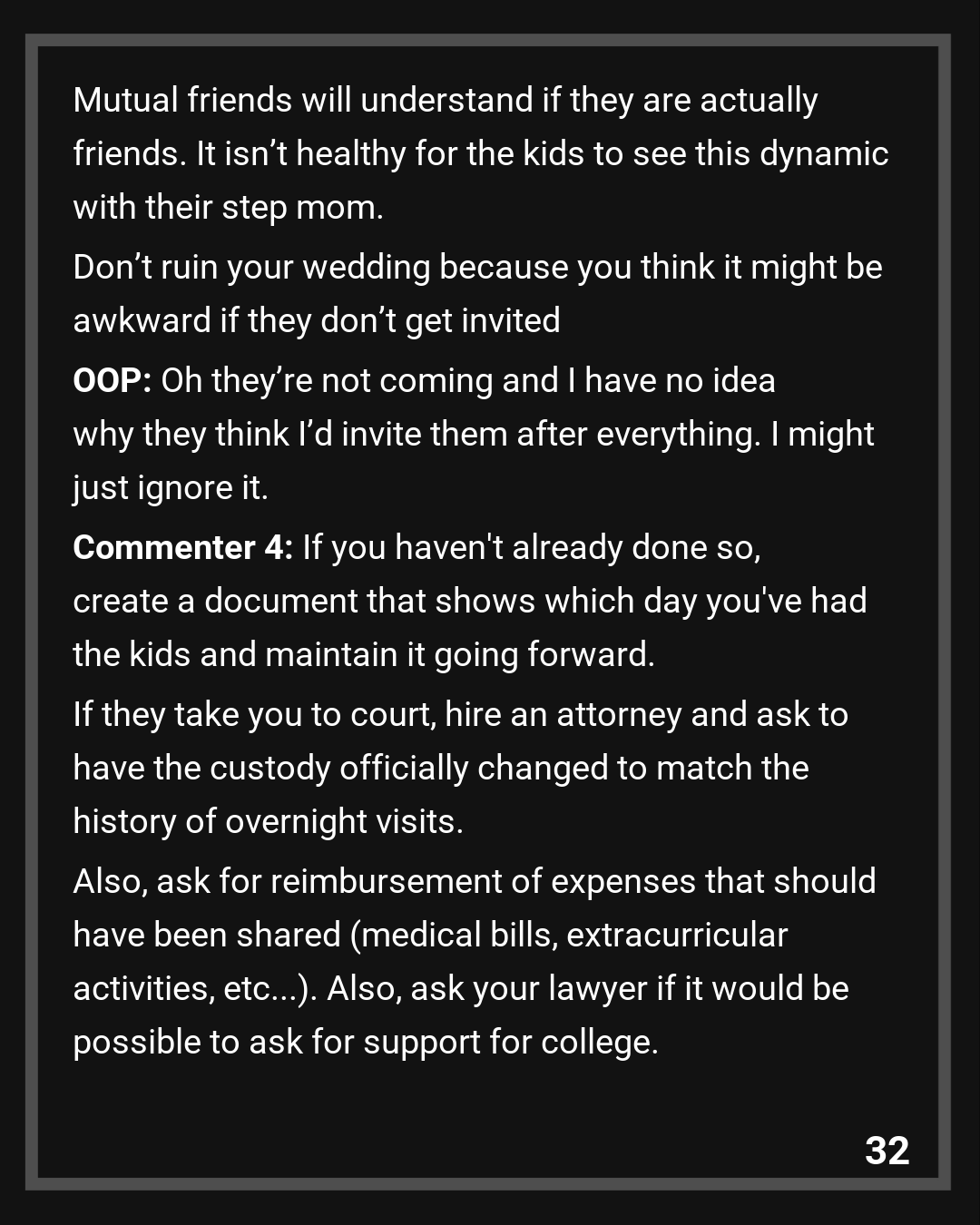
The largest cluster treated the Manifesto as a case study in self-inflicted consequences, gathering thousands of upvotes around a single premise: never send the angry letter. Readers recognized the email not as an isolated mistake but as the moment Tessie converted years of invisible goodwill into visible debt. Their register ran analytical rather than outraged, focused less on who was wrong than on the mechanical stupidity of attacking the person who holds your household together. Several commenters shared personal rules about drafting fury and deleting it, treating OOP’s story as confirmation of a principle they already lived by.
A second, angrier cluster fixated on Greg’s original decision to divorce over wanting more children, then traced a line from that choice to every subsequent crisis. Readers in this group performed arithmetic: a man who couldn’t afford car repairs, whose son’s autism diagnosis was still in process, whose daughter’s diabetes remained uncontrolled, had chosen to produce a fourth child. The recurring argument framed Greg not as malicious but as someone who wanted fatherhood as a concept while outsourcing its daily operations. Several parents of autistic children weighed in with visceral detail about how demanding that reality becomes, lending this cluster a credibility that pure moral judgment rarely earns.
A smaller but persistent thread examined the age gap and timeline. OOP met Greg when she was four and he was twelve. They began a sexual relationship while she was in college and he was nearly thirty. Commenters who noticed this pattern read it as context for the entire dynamic, arguing that OOP’s years of reflexive accommodation traced back to a relationship that had never been structurally equal. Their tone was less angry than diagnostic.
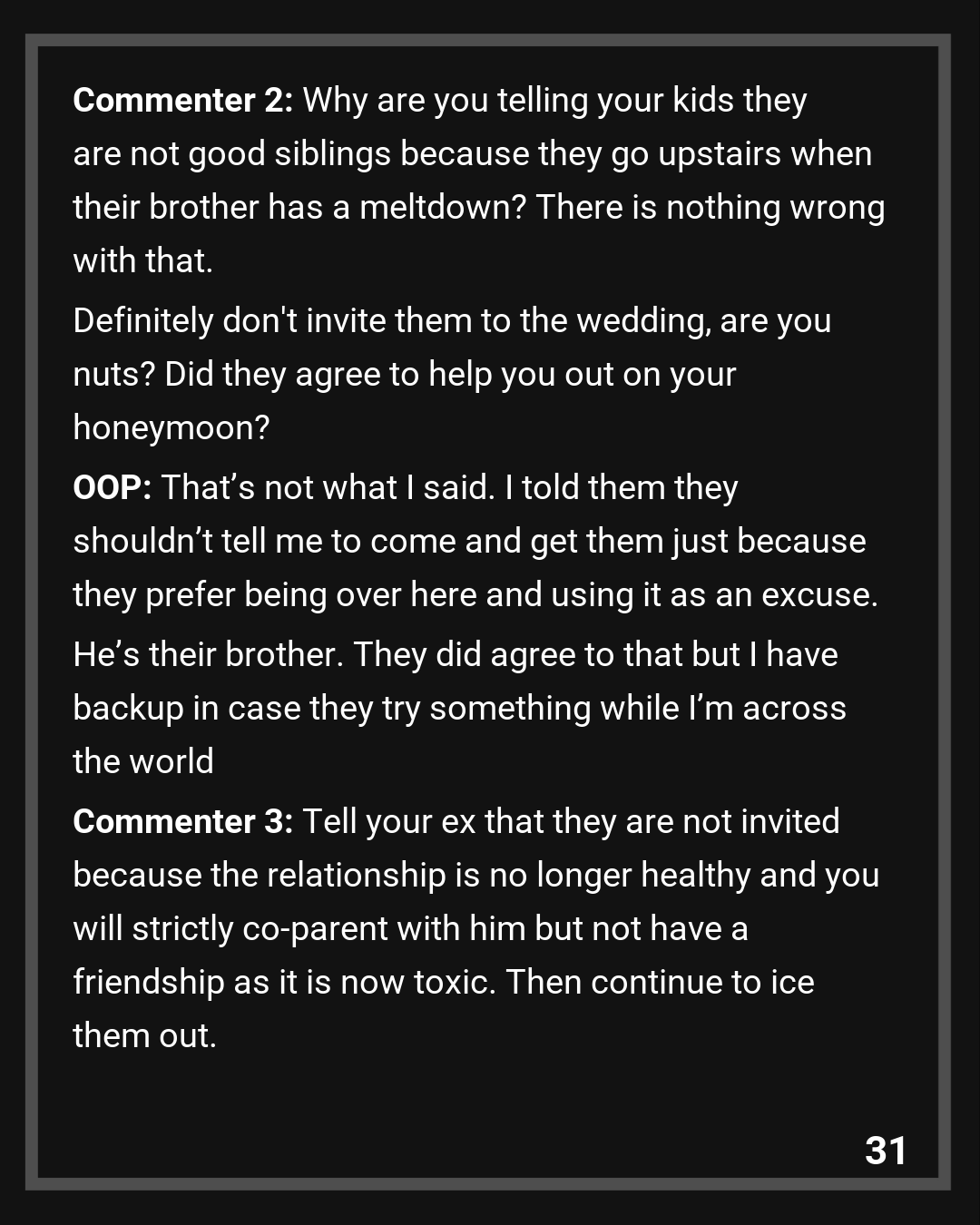
Another cluster pushed back against commenters who suggested OOP should teach her children empathy toward their autistic half-brother during meltdowns. Readers with direct experience of violent meltdowns rejected the framing sharply, pointing out that expecting a nine-year-old and seven-year-old to manage their own emotional safety during a crisis inverts the responsibility hierarchy. Parents of special-needs children were the loudest voices here, and their frustration was directed less at OOP’s story than at the commenters who misread it.
The comment section reveals a readership that processes divorced-mother stories through a labor lens before a moral one. Readers did not ask whether OOP was a good person. They audited her workload, calculated her ex-husband’s dependency, and concluded that the coparenting relationship had been functioning as an unpaid employment contract. The spreadsheet became the thread’s favorite artifact because it gave numerical shape to a pattern most readers recognized from their own lives but had never bothered to count.
This editorial is based on a story originally shared on Reddit’s r/BestofRedditorUpdates community.