Featured on @StorylineReddit: November 6, 2025
A Confession the System Tried to Lose
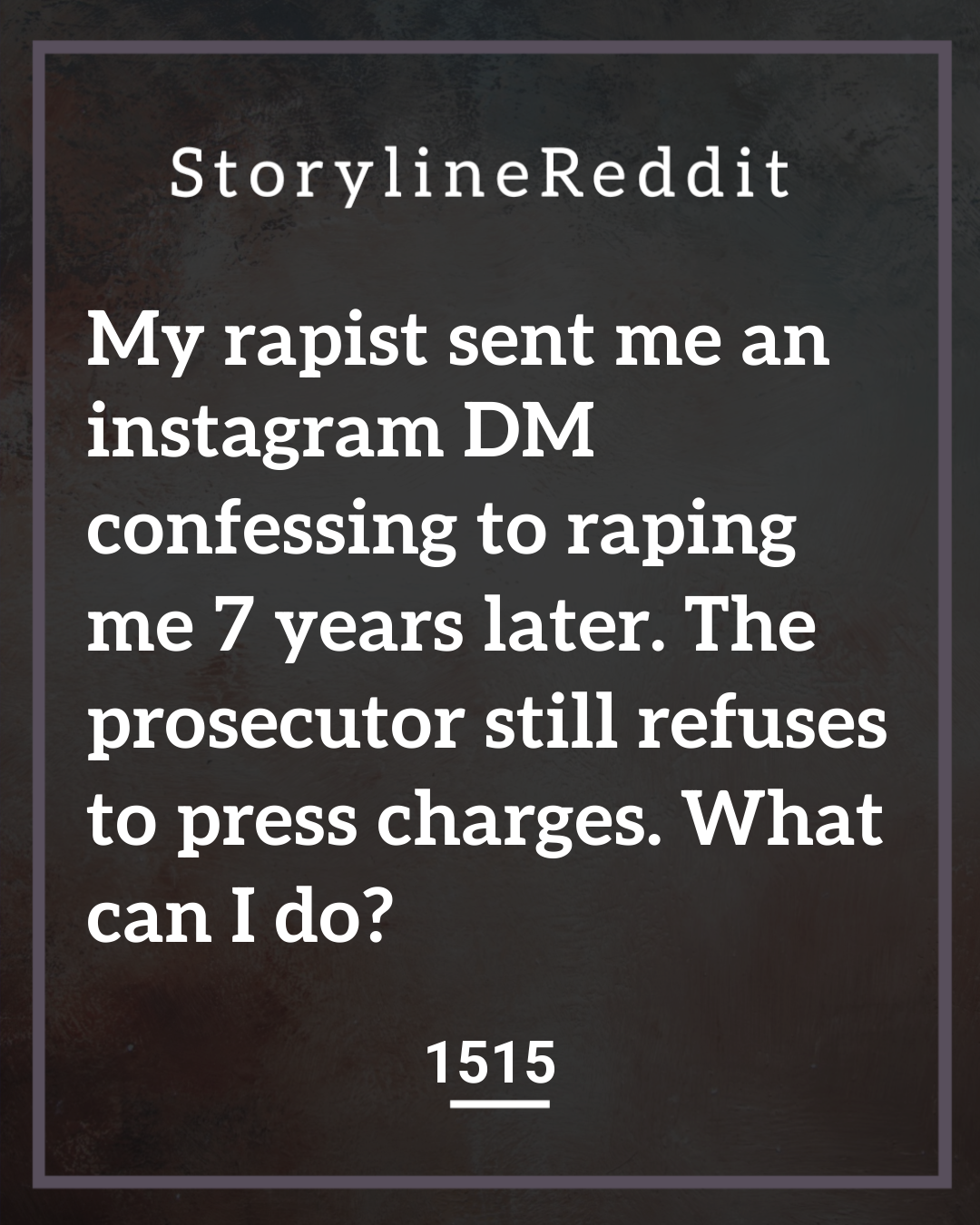
Everyone calls this the story where Reddit helped prosecute a rapist, but the real question is why a survivor needed a social media platform to do a prosecutor’s job. A woman reported a campus sexual assault backed by witnesses, text messages, and a rape kit. The DA’s office sat on it for two years, then declined with a line about alcohol making prosecution “complicated.” The rape kit was never analyzed. Six and a half years later, the perpetrator sent a string of erratic Facebook messages ending in a flat admission: “so I guess I raped you.” The DA’s office responded with the same rehearsed caution. So she posted on r/legaladvice. Strangers assembled the legal infrastructure her own county refused to build. A prosecutor from another state volunteered guidance. A fellow survivor connected her with a lawyer. The Associated Press broke the story. Only then did charges appear. The man was extradited from France and sentenced to two to four years. Twelve years after the assault.
What Moved When Reddit Watched
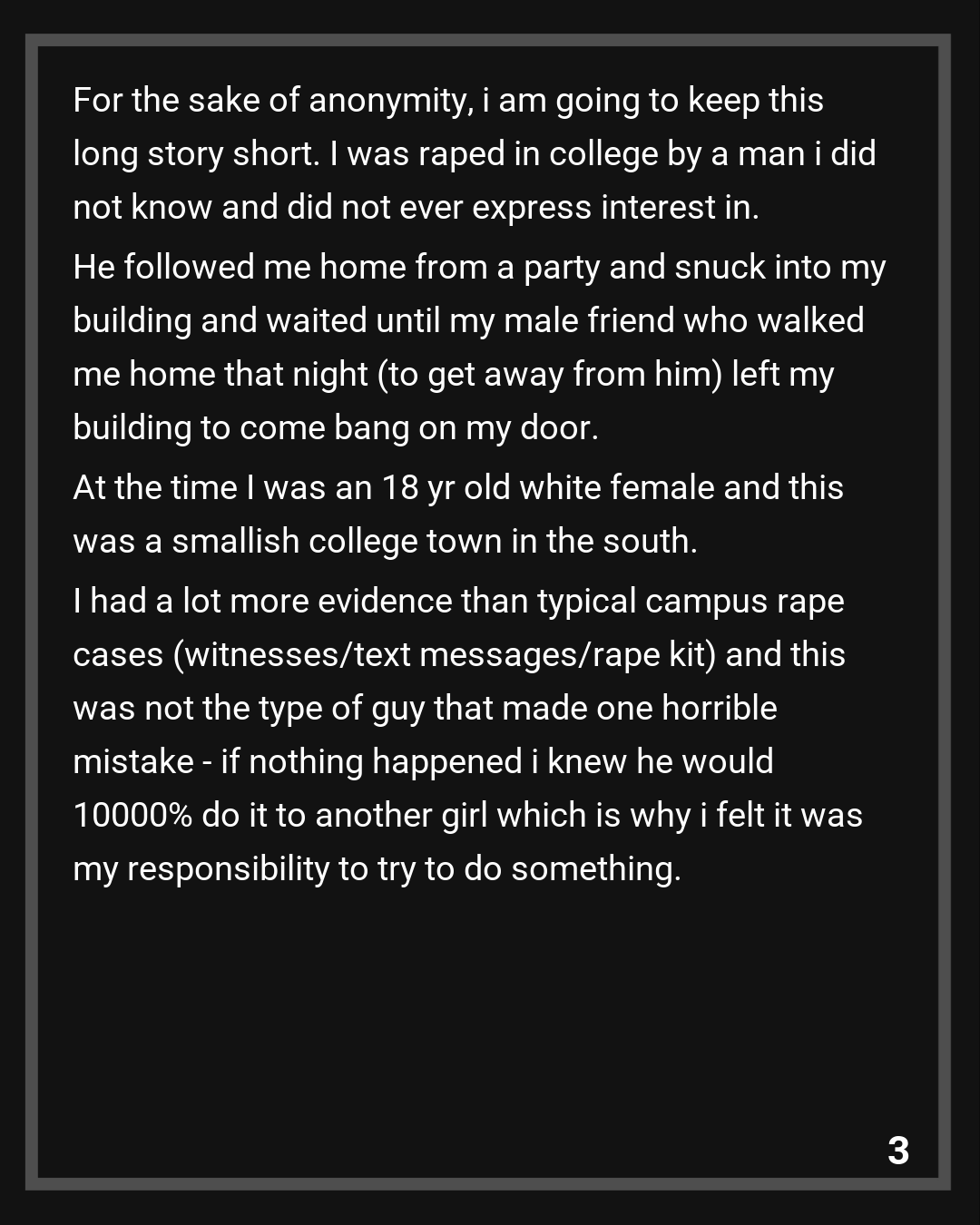
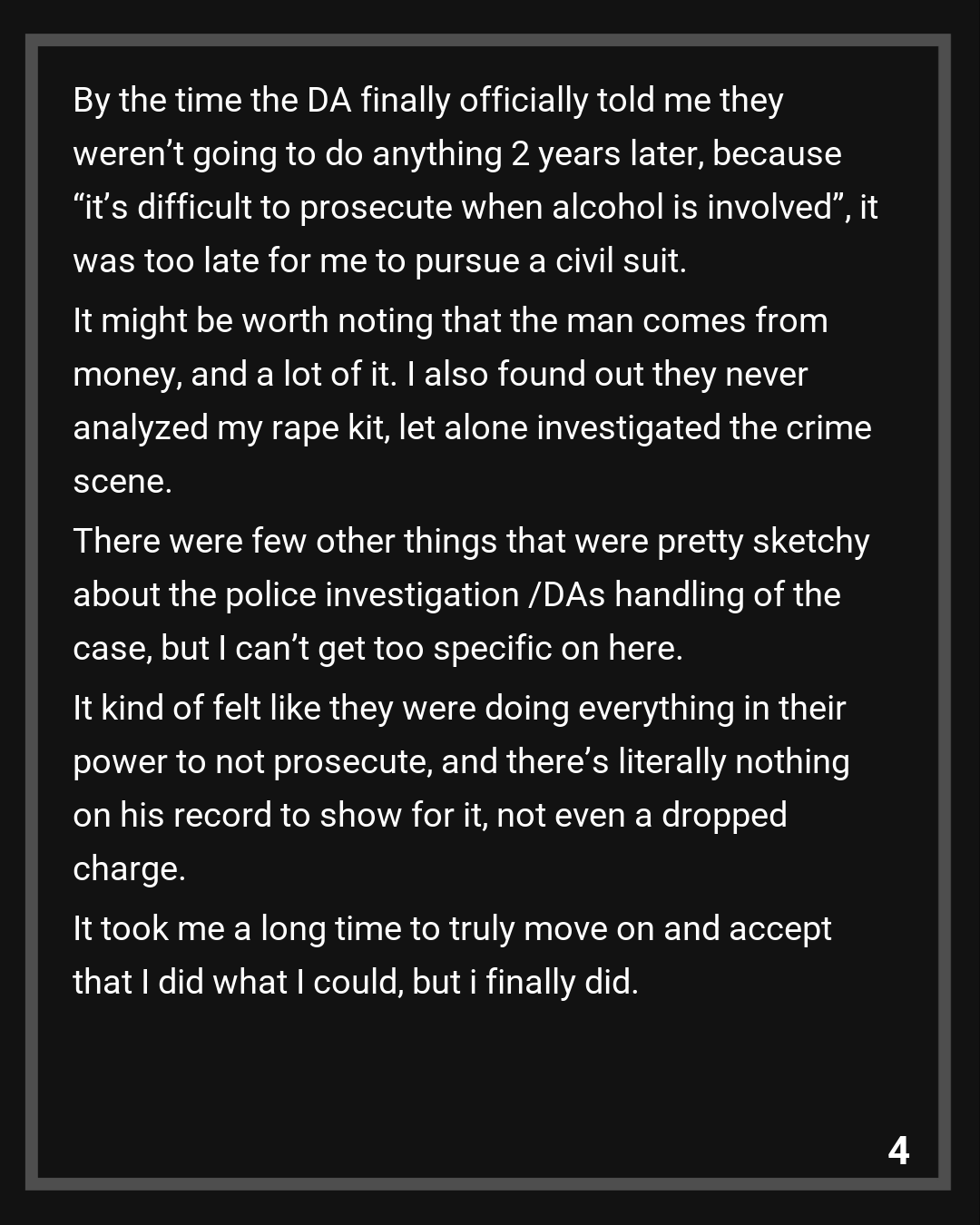
The timeline alone functions as an indictment. An eighteen-year-old reported a rape in a small southern college town with more corroborating evidence than most campus cases ever produce. Witnesses placed the man following her home. Text messages supported her account. A rape kit sat in storage, untested. None of it generated a single charge. The DA’s office waited two years before officially declining, a delay that conveniently burned the window for a civil suit. Whether that timing was coincidental depends on how much faith you place in a system that also neglected to process the physical evidence.
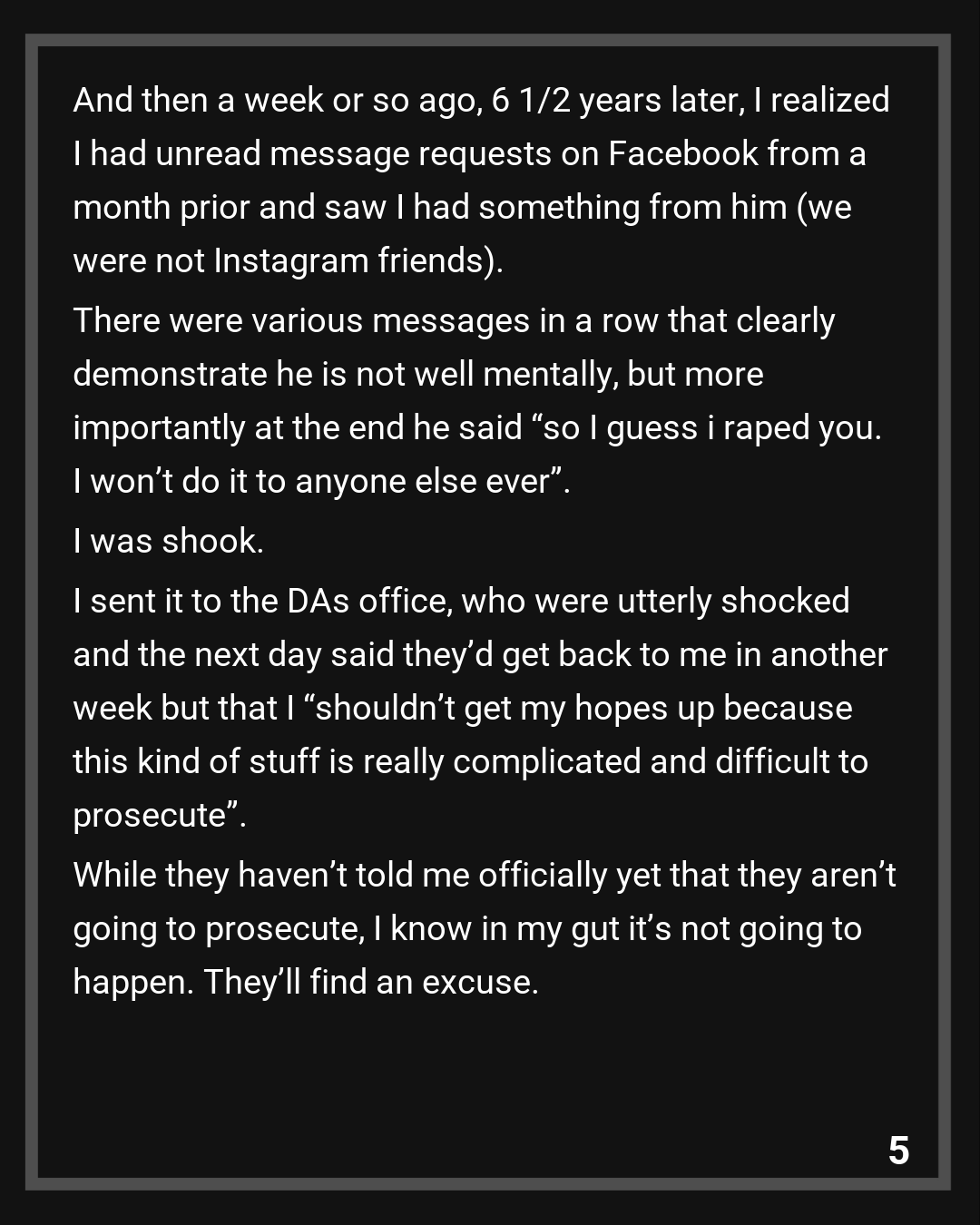
Then the confession landed. Not as a dramatic reversal but as an unstable string of Facebook messages from a man who appeared to be deteriorating. His admission read less like remorse and more like someone narrating his own collapse. The DA’s office received it, paused, and reached for the same script: this is complicated, don’t get your hopes up.
What evidence could not do, exposure did
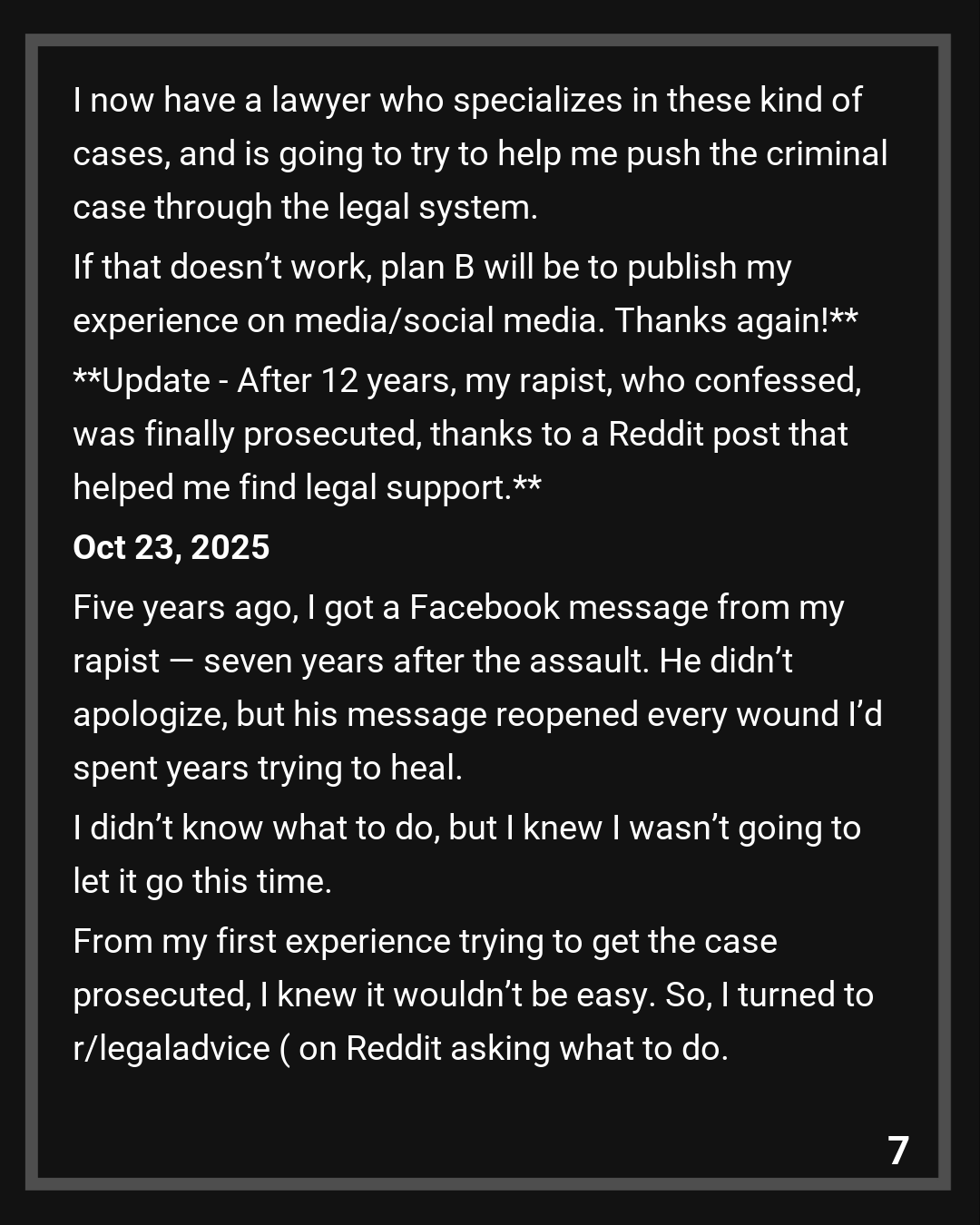
The case had everything a prosecution could want except institutional willingness. What finally forced motion was not the confession but the attention that followed it. A Reddit post connected the survivor with legal representation she could never have found through official channels. Media coverage built political pressure the DA could not quietly sidestep. Charges followed the AP story, not the Facebook message. The perpetrator fled to France, was identified and extradited in 2024, and received a sentence of two to four years.
Every institution designed to act first acted last. Reddit helped prosecute a rapist because the professionals paid to do so refused until the public was watching.



“So I Guess I Raped You”
The Facebook message did not arrive as a confession. It arrived as debris. Multiple messages in a row, disjointed, clearly written by someone in psychological freefall. The final line sat at the bottom like an afterthought: “so I guess I raped you. I won’t do it to anyone else ever.” No apology. No accountability framework. No indication he understood what he was admitting to in a format that creates a permanent, screenshot-able record.
That phrasing matters. “I guess” performs doubt even while conceding the act. The survivor received the strongest piece of evidence her case would ever produce, and it came wrapped in the language of someone minimizing his own admission. She did not get closure from this message. She got a second round of work.
When evidence arrives without meaning
A confession that reads like a man muttering to himself on a park bench carries a specific legal weight and almost no emotional one. The survivor described being “shook,” which is the vocabulary of someone blindsided, not someone relieved. After years of building a life around acceptance, she now held proof that the system could no longer ignore. Except the system immediately signaled that it intended to.
A Bureaucracy That Runs on Reluctance
The DA’s office received the confession and responded within twenty-four hours. Not with action but with managed expectations. “Don’t get your hopes up.” The same office that never analyzed the rape kit. The same office that waited two years to officially decline prosecution while the civil statute quietly expired.
Pattern recognition clarifies what individual incidents obscure. A single delay looks like bureaucracy. An untested rape kit looks like an oversight. A two-year wait that happens to eliminate the survivor’s civil options looks like bad luck. Stack them together and they stop looking accidental. The phrase “difficult to prosecute when alcohol is involved” did not describe a legal barrier. It described an institutional preference for inaction dressed in procedural language.
The confession changed nothing inside the building
When confronted with a written admission, the DA’s office reached for the identical script it had used six years earlier. Same hedging, same timeline stalling, same result. The confession did not alter the institution’s posture because the institution’s posture was never actually about evidence. It was about appetite. And appetite for prosecution only arrived when the Associated Press started making phone calls.
How Reddit Helped Prosecute a Rapist the System Wouldn’t Touch
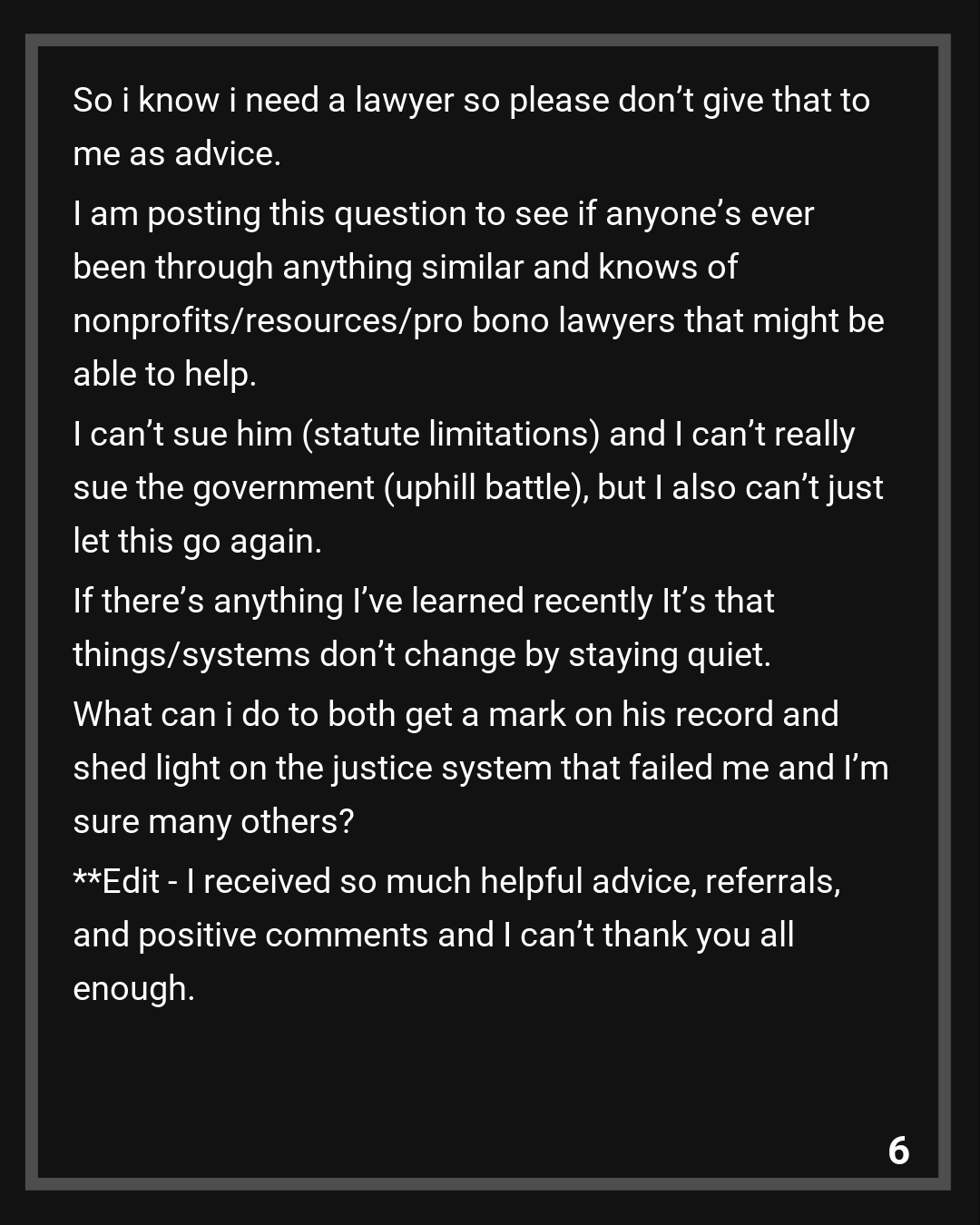
generated hundreds of responses, but the ones that mattered were quiet and specific. A prosecutor from another state named Miles Braccio reached out with legal guidance. A fellow survivor shared her own lawyer’s contact information. That lawyer connected the survivor to the Pennsylvania Coalition Against Rape.
None of these people were obligated to respond. None of them had jurisdiction, budget authority, or institutional standing. They built a legal support structure out of nothing because the structure that was supposed to exist had declined to function. Reddit did not replace the justice system. It assembled a bypass around a blockage the justice system refused to acknowledge.
Pressure as the only functional mechanism
When months passed with no movement from the DA’s office, the team went to the media. The AP story broke nationally. Good Morning America followed. Charges materialized shortly after. The sequence is difficult to read as anything other than a direct response to public exposure. The evidence had been available for years. The confession had been in the DA’s inbox for months. Only the camera changed.
Twelve Years for Twenty-Four Months
Ian Cleary was extradited from France in 2024 and sentenced to two to four years in prison. The math deserves to be stated plainly. A woman spent twelve years fighting for prosecution of a confessed campus rape and extracted a sentence that could end in twenty-four months. She assembled a legal team through strangers, endured a national media cycle, and waited through an international extradition process. The system delivered the minimum.
Calling this justice sets a dismal benchmark. It tells every survivor that a confession, a rape kit, witnesses, text messages, national press coverage, and twelve years of persistence might, under ideal conditions, produce a sentence shorter than a typical lease agreement. Celebrating this outcome as a victory measures success against the expectation of total failure rather than against any reasonable standard of accountability.
What the sentence calculates
The two-to-four-year range prices a confessed rape at roughly two months of incarceration per year the survivor spent fighting for prosecution. That ratio is the system’s honest self-assessment, delivered not in a press conference but in a sentencing document. The survivor posted her update to r/UpliftingNews. The man who followed her home from a party in a small college town received a sentence he could outlive twice over before she finishes paying off the years this cost her.
Where the Anger Landed
The largest cluster, commanding the highest-voted comments by a wide margin, directed its fury not at the rapist but at the system that shielded him. Commenters catalogued untested rape kits, disbanded domestic violence units, and prosecutors who treated confessions as inconveniences. The emotional register ran hot and stayed there. These readers were not shocked by institutional failure. They were reciting its features from memory, citing backlog statistics and naming specific legislative efforts to clear them. Their anger carried the fluency of people who stopped being surprised years ago and now simply keep count.
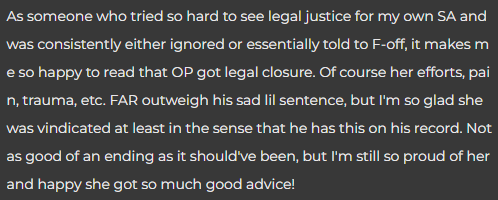
A second cluster surfaced through personal testimony. Dozens of commenters disclosed their own assaults, and nearly every account followed the same structural arc: evidence gathered, system engaged, system declined. One described a detective who interrogated her like a murder suspect. Another recounted being questioned at thirteen as though she were her father’s accomplice. These stories did not function as bids for sympathy. They operated as corroborating evidence, each one reinforcing the claim that the original post described a pattern, not an anomaly.
The third cluster wrestled with the sentence itself. Two to four years for a confessed rape after a twelve-year fight struck many readers as an insult packaged as an outcome. Several pointed out that the judge credited the rapist for “coming forward,” a characterization that ignored both the erratic nature of his messages and the fact that he had to be extradited from France. The top-voted reply in this thread made a sharp distinction: the survivor called it justice, and readers should respect that framing even if the numbers provoke rage. That comment alone pulled eighteen thousand upvotes, suggesting the community wanted permission to hold two feelings simultaneously.
A smaller but pointed cluster noted the irony that the tools which actually worked for the survivor, private DMs and media pressure, are both banned as advice on r/legaladvice. The subreddit that hosted her original post prohibits the exact strategies that produced her outcome.
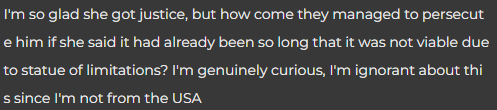
The comment section reads like a mass deposition. Readers did not process this story as an individual triumph. They processed it as a system audit, and they arrived with their own case files already open. The survivor’s twelve-year timeline gave thousands of people a structure onto which they could map experiences the legal system had already filed under “too complicated.”
This editorial is based on a story originally shared on Reddit’s r/BestofRedditorUpdates community.